Your goal
A non-invasive complementary option for surrounding muscle comfort only after urgent knee problems are excluded.
Knee-pain wellness guide
A painful knee may involve overuse, injury, joint disease or infection. A cupping appointment cannot diagnose the cause.
Start with what you feel
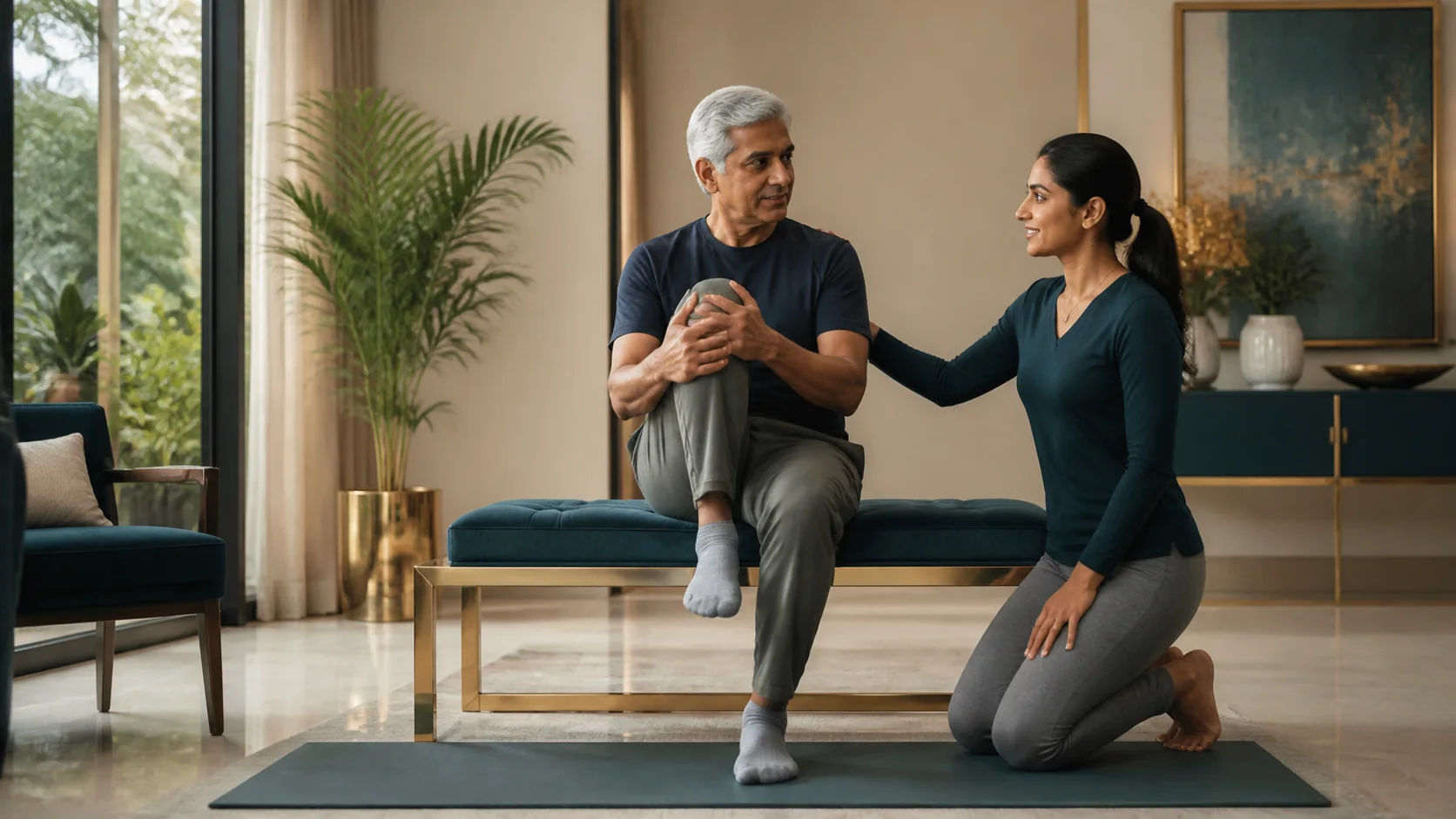
Tell us whether the knee bears weight, bends and straightens; whether it locks or gives way; and whether swelling, heat or redness is present.
Include any twist, fall, collision, popping sensation, gradual training increase, existing arthritis diagnosis or anticoagulant medicine.
Cupping cannot distinguish a ligament or meniscus injury, fracture, dislocation, arthritis, gout, bleeding or joint infection.
Your wider recovery
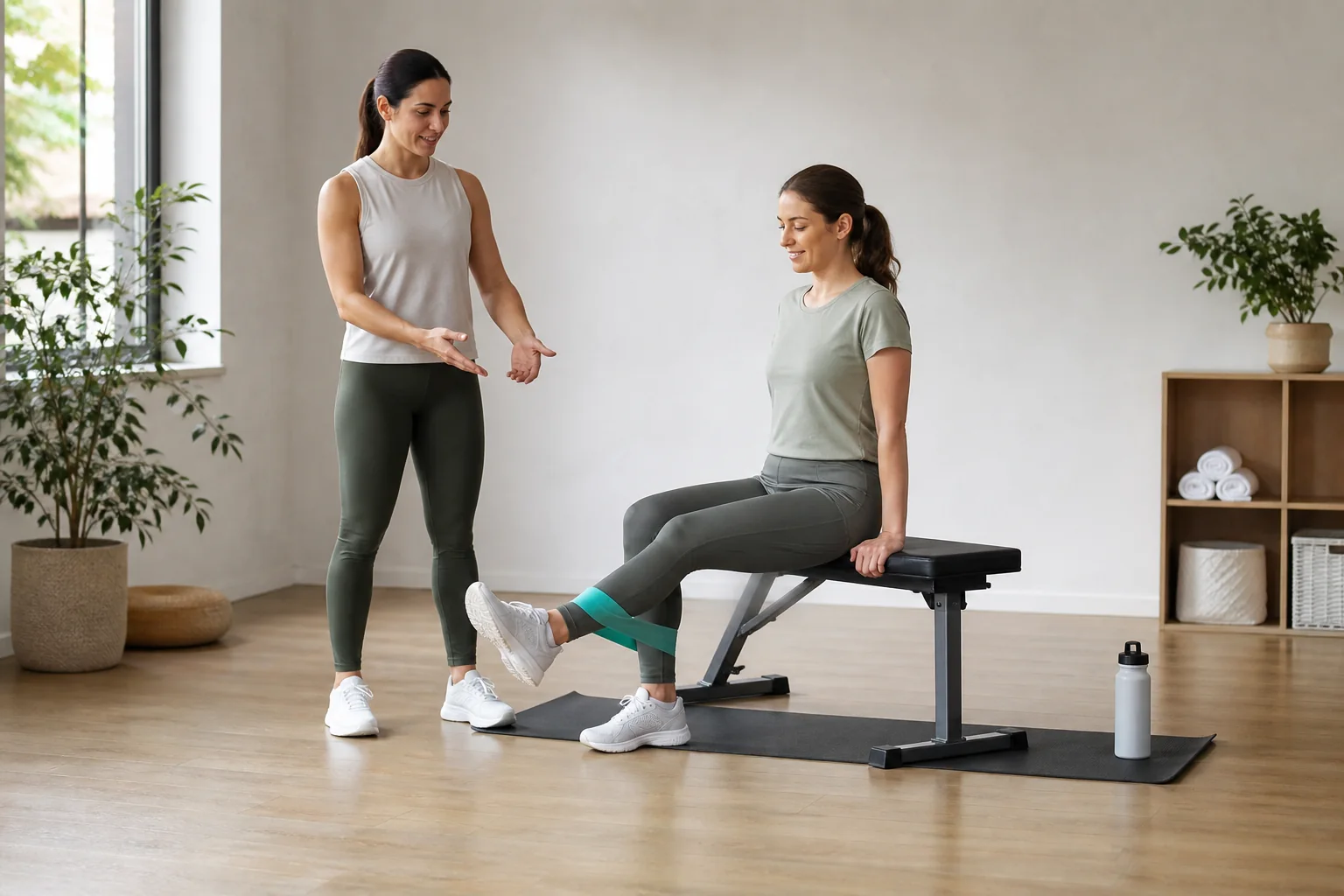
Keep appropriate medical or rehabilitation advice central, and use a cupping conversation only as one part of a wider recovery plan.
Plan your first visitWhat this guide can clarify
Start with your wellness goal while keeping diagnosis and treatment of the underlying cause with an appropriately qualified clinician.
A non-invasive complementary option for surrounding muscle comfort only after urgent knee problems are excluded.
It cannot repair a ligament, meniscus or fracture, remove joint infection, diagnose arthritis or clear return to running.
Cause-appropriate assessment, load management, strengthening, rehabilitation and prescribed care remain central.
When medical assessment comes first
Seek urgent medical advice instead of cupping when:
This list is not exhaustive. If you are worried or symptoms are rapidly changing, seek appropriate medical help.
What research tells us
NCCIH notes that only a small amount of research has examined cupping for osteoarthritis; an exploratory study was promising, but definite conclusions cannot be reached.
NIH NCCIH says most cupping research is low quality and the evidence for pain reduction is not very strong. Results cannot be promised.
Your next step
Describe weight-bearing, movement, swelling and how symptoms began.
Check for injury, deformity, locking, heat, fever and bleeding risk.
If appropriate, keep the complementary plan away from unsuitable joint/skin areas.
Use function and clinician guidance—not mark colour—to decide progress.
If a session is considered
A practitioner may discuss dry cupping around appropriate muscular areas, but should not treat an acutely injured, infected, deformed or unexplained swollen knee as routine tightness.
Appointment enquiry
Share whether you can bear weight, whether the knee is swollen/hot, and whether symptoms followed an injury or include locking or giving way.

Explore related goals
Frequently asked
No. The research is preliminary and this website does not promise a cure or structural change.
No—urgent assessment is more appropriate, especially after injury or with major swelling.
No reliable evidence supports that claim. Suspected internal knee injury needs appropriate assessment.