
Privacy and preparation for women
Plan clothing, privacy, practitioner preference and the information worth sharing before a visit.
Open the preparation guideBlog & Insights library
Clear, source-led guides to help you prepare questions, notice important warning signs and make an informed wellness decision.
Start with your question
These articles add practical detail to our service and safety pages. They do not diagnose a symptom or confirm that cupping is suitable for you.
Plan clothing, privacy, practitioner preference and the information worth sharing before a visit.
Open the preparation guide
Separate familiar one-sided symptoms from changes that need urgent medical assessment.
Check the warning signs
Know when a headache should bypass a wellness appointment and receive urgent medical help.
Read the headache guidePrepare and follow up
Use these guides before booking, when comparing methods or while following the aftercare you received.
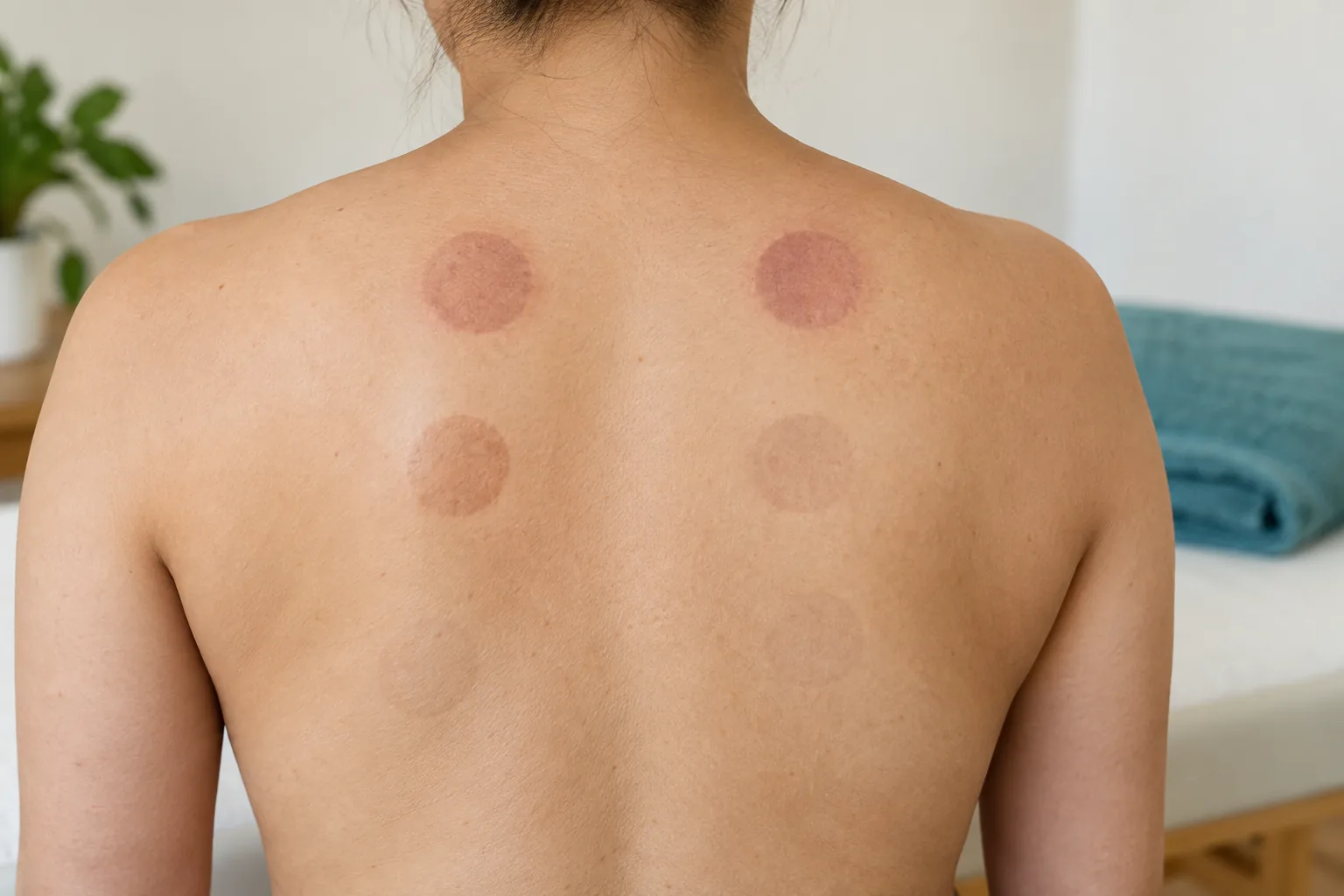
Track colour, comfort and change without treating colour as a diagnosis.
Follow the timeline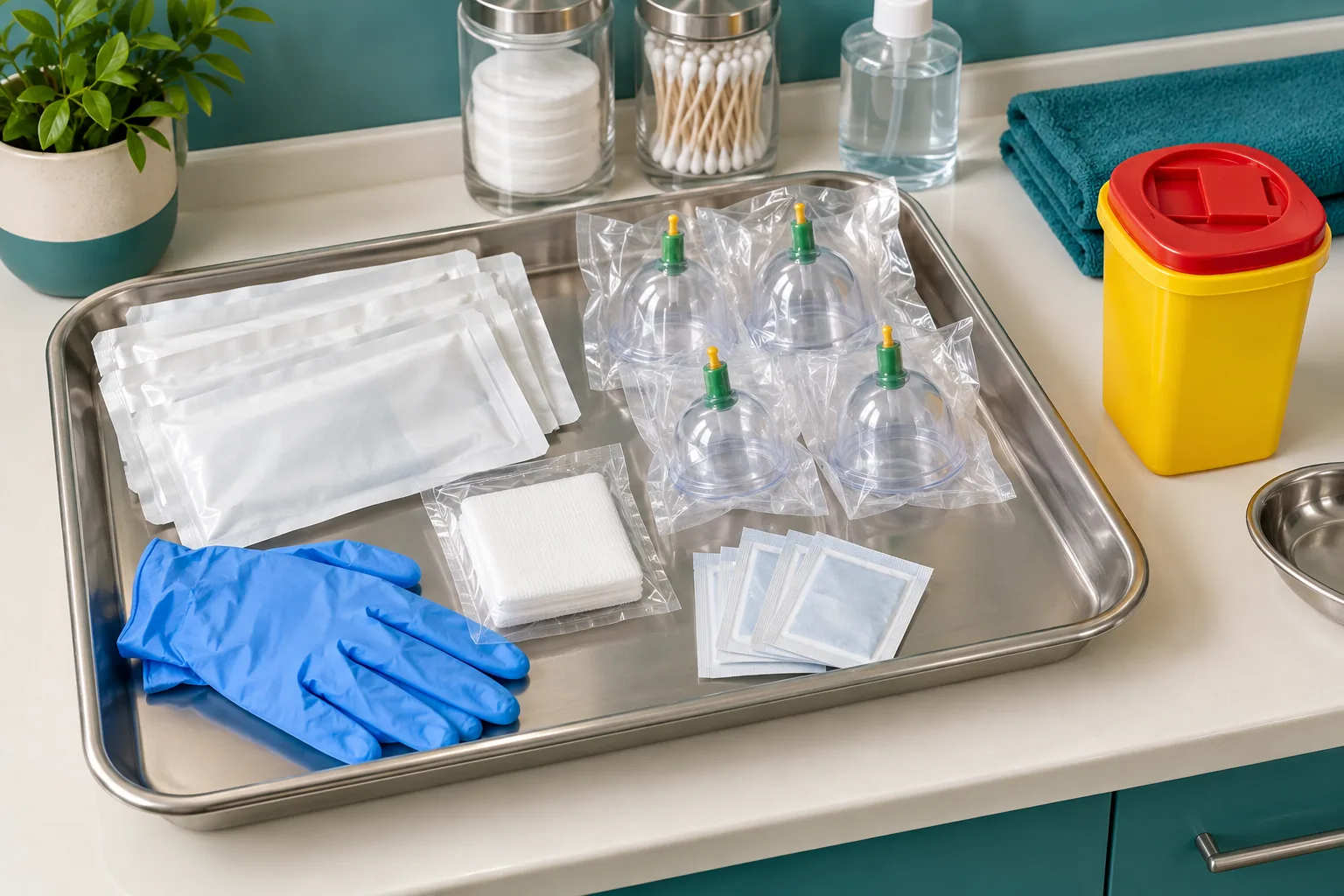
Ask which items pierce skin, which are reusable and how each category is handled.
Use the hygiene checklist
Clarify the device, purpose, practitioner, instructions, risks and alternatives before booking.
Prepare your questions
Plan around training, skin recovery and competition without assuming treatment clearance.
Plan your timingNew method decisions
These new editorial pages explain device, needle, movement, timing and evidence questions without making unsupported service claims.
Two different labels can appear in the same conversation. Start with the device, technique, goal and safety questions—not a promise.
Read the guide
Similar-sounding electrical labels can describe different procedures. Ask for the exact device and setup before you consent.
Read the guide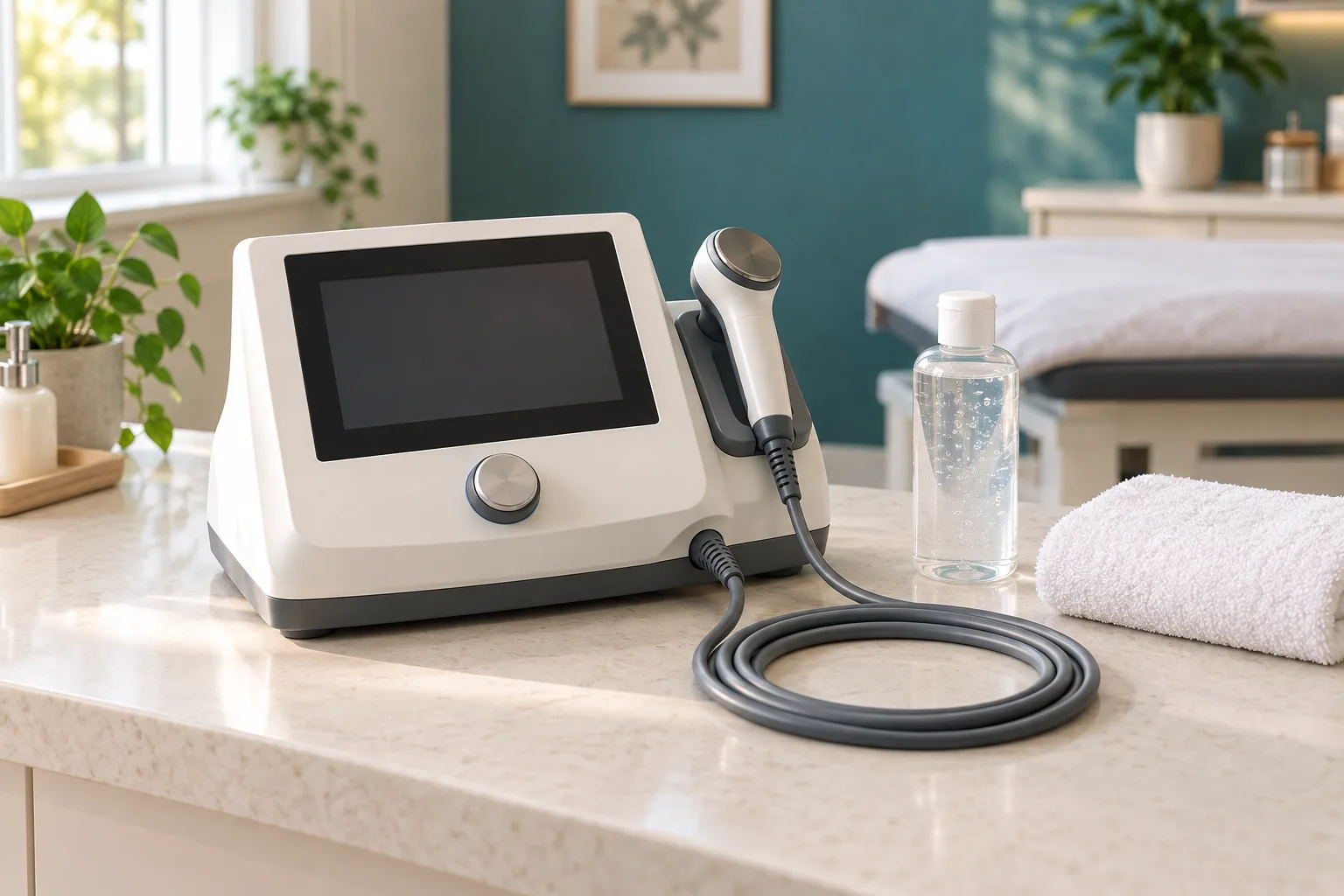
Before booking, confirm whether the enquiry is for therapeutic ultrasound or diagnostic imaging and who will provide it.
Read the guide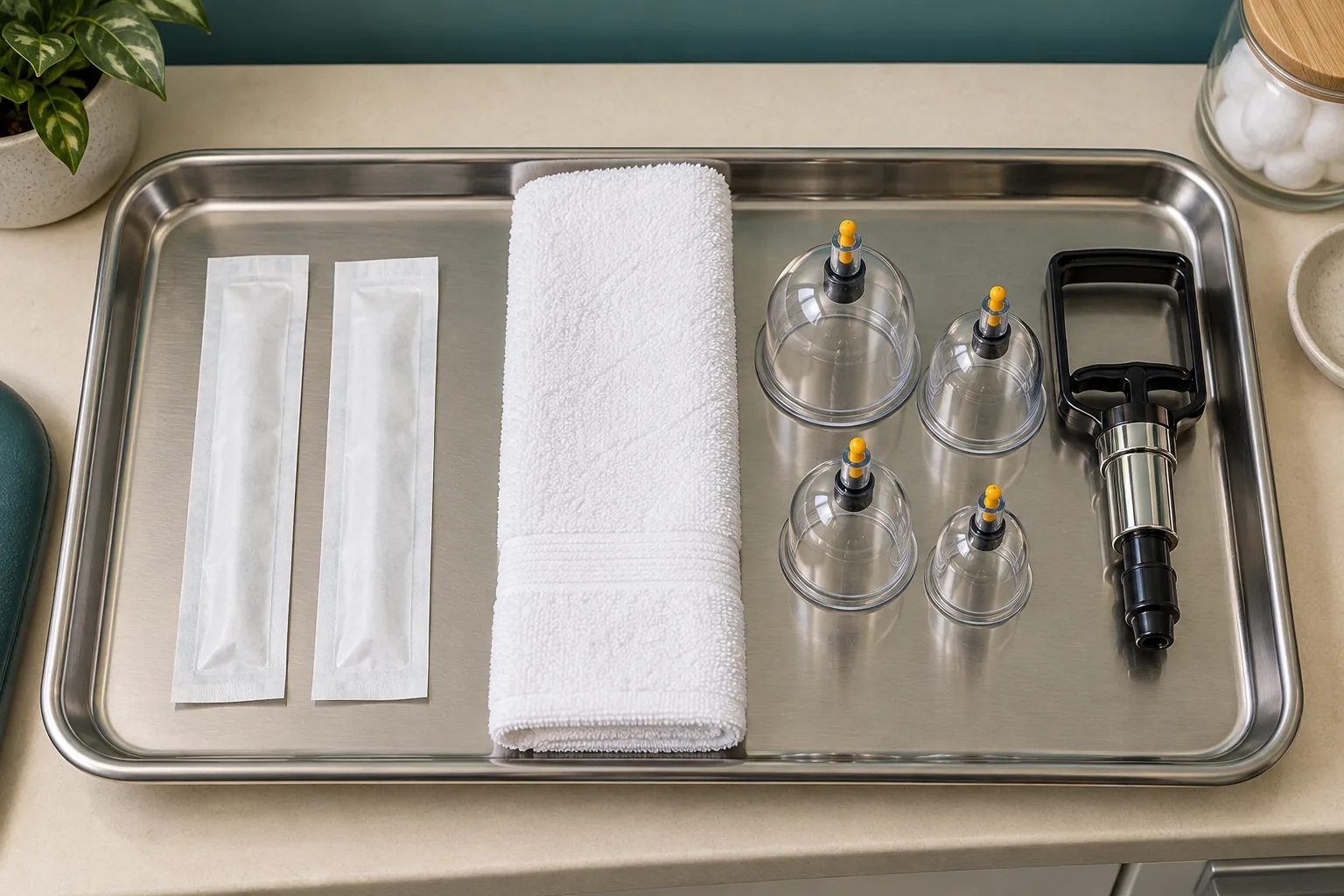
The biggest practical difference is whether skin is penetrated. That changes consent, equipment and aftercare questions.
Read the guide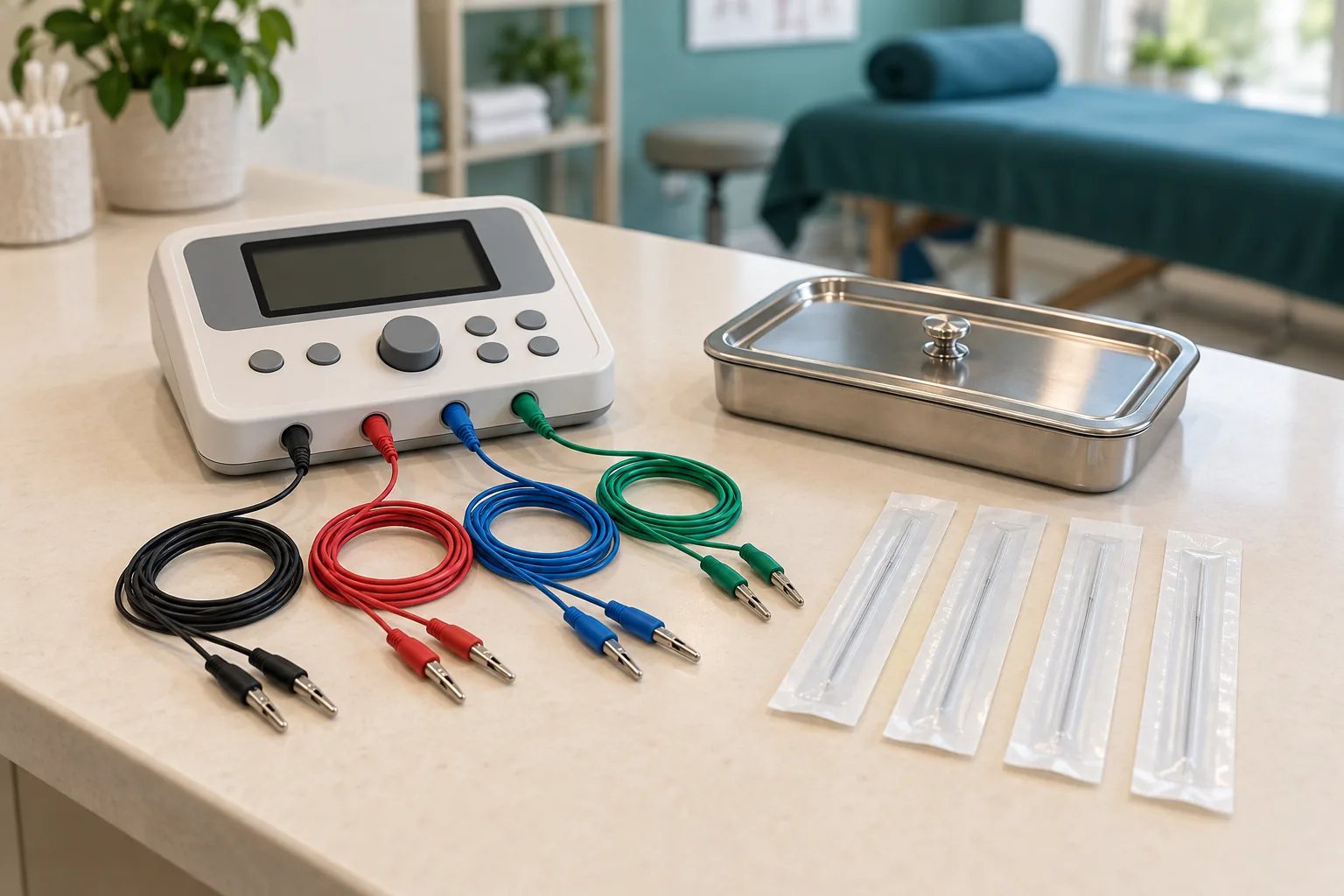
When needles and electrical stimulation are combined, both parts need an explicit safety conversation.
Read the guide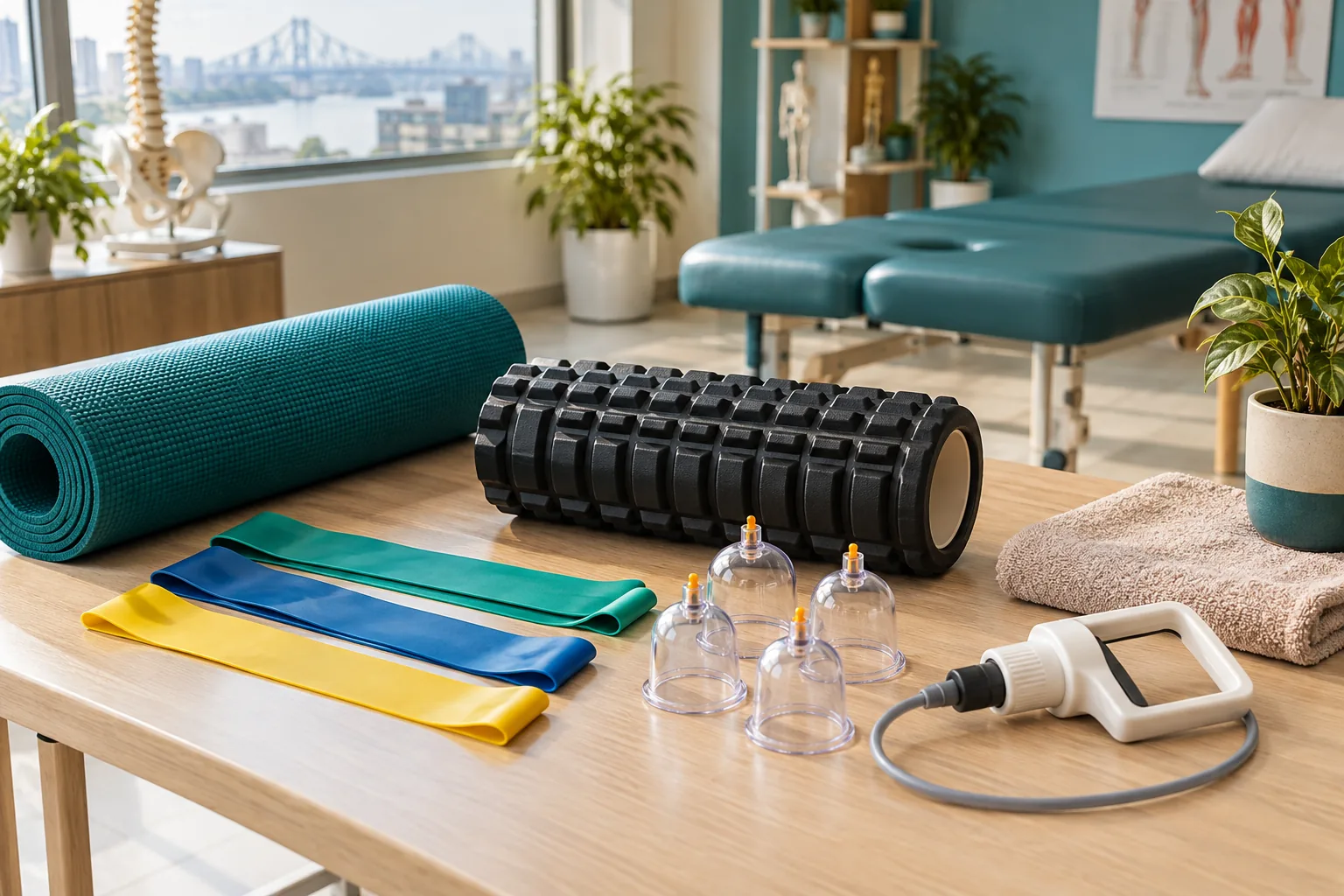
Complementary care should fit around an existing rehabilitation plan, not compete with it.
Read the guide
Gentle movement should be explained and consent-led. It is not a promise of joint realignment or a cure.
Read the guide
Material, heat and movement change the questions you should ask before choosing a cupping method.
Read the guide
Personal or religious meaning can be respected while the physical procedure, screening and aftercare remain clear.
Read the guide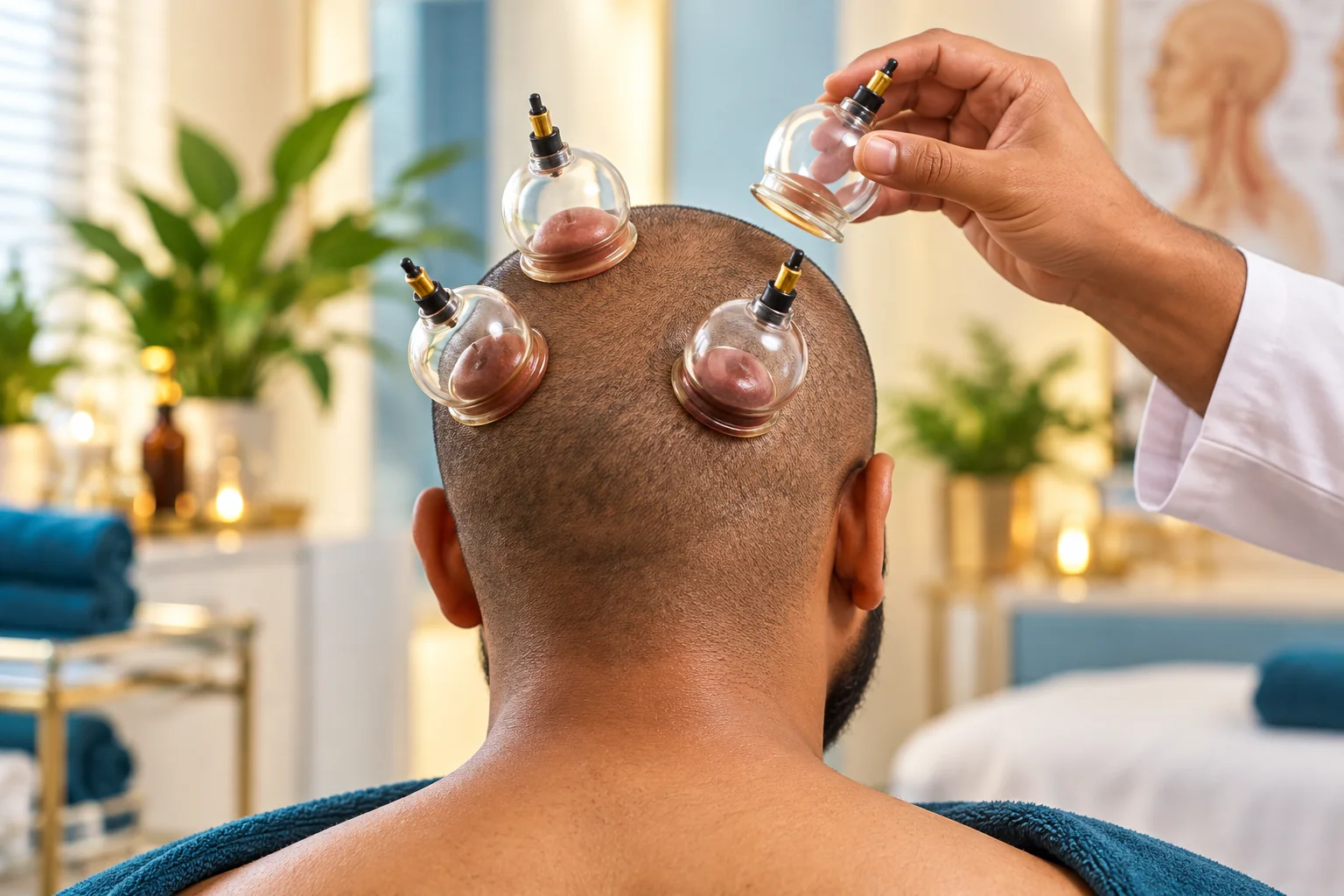
Define the area and procedure first. Do not treat Head Hijama as an automatic headache solution.
Read the guide
A useful clinic comparison looks beyond a logo or testimonial. Ask for the details that affect safety and informed choice.
Read the guide
Complementary care can sit alongside appropriate care, but it should never delay assessment of a serious or changing symptom.
Read the guide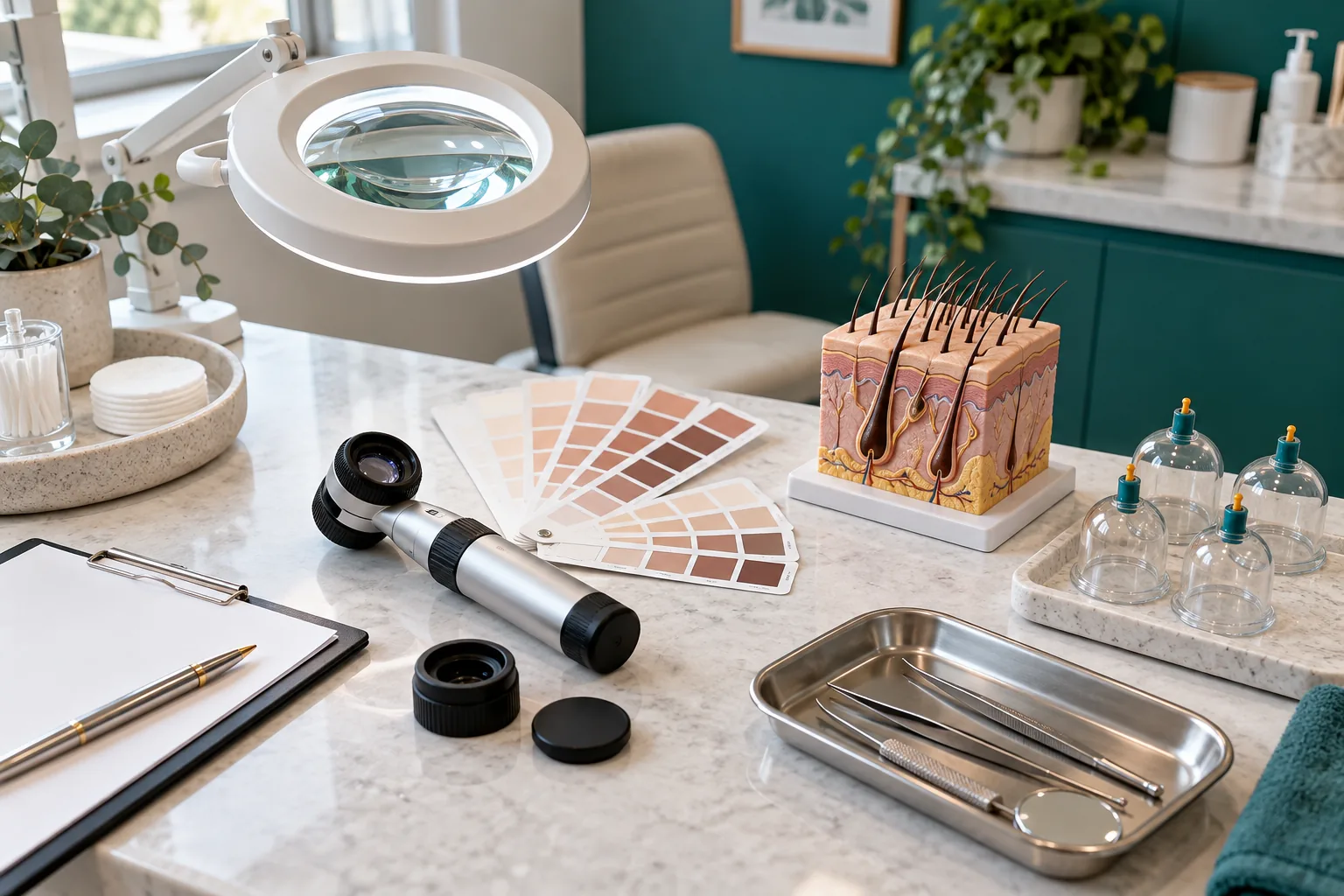
A skin or hair concern deserves a clear evidence boundary, not a detox or regrowth promise.
Read the guide
Calendar planning is an important part of informed consent when marks, tenderness or wound care could affect the next several days.
Read the guide
A polished page can still make a weak claim. Look for the evidence, scope, limits and safety information behind the words.
Read the guideAppointment enquiry
Use the insights to prepare, then ask about one specific method, your broad goal and any information needed for safe screening.

How the library is prepared
Our guides distinguish general education from personal advice, link to authoritative sources and show an update date. If a material point changes, the guide should be corrected rather than silently left outdated.
Read our editorial standards