Same day
Ask how the area may look and feel immediately, whether pressure or friction should be avoided and what clothing or travel considerations apply. Wet cupping also needs wound and dressing instructions, not only a mark explanation.
Marks and aftercare guide
Colour can change as a temporary mark settles, but it cannot diagnose toxins, circulation problems or the cause of your symptoms.
Detailed visitor guide
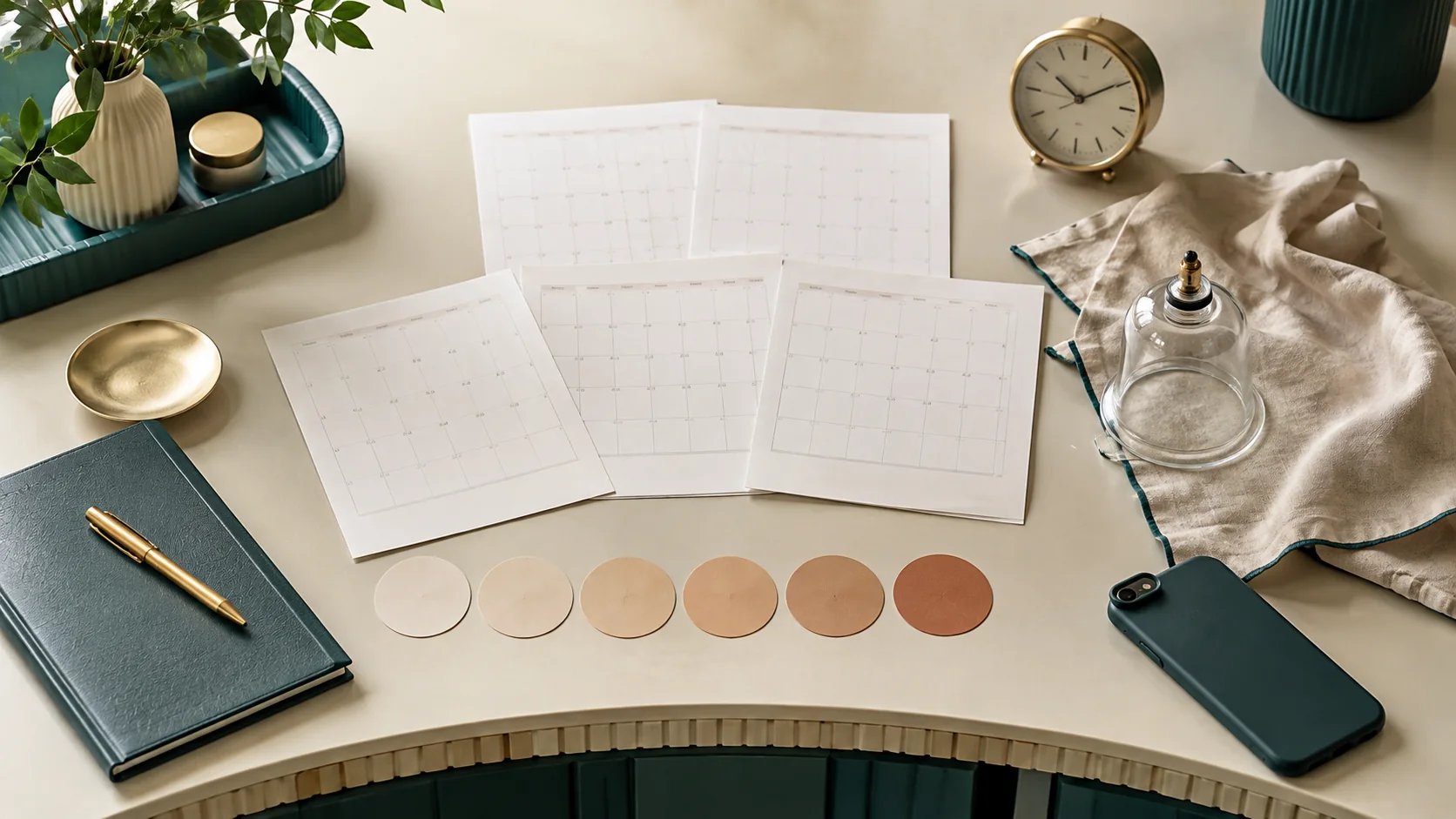
Cupping marks can change in appearance as the skin settles, but there is no reliable universal timetable and no validated colour chart that diagnoses toxins, circulation or treatment success. Pressure, duration, body area, skin tone, previous marks, medicines and individual healing all influence what a person sees. A responsible plan describes the expected effect without promising an exact shade or fading date.
Photographing a mark for private comparison may help you describe change to a clinician, but do not share an intimate image for marketing or assume that a darker image means a better result. Compare comfort, heat, swelling, skin integrity and overall wellbeing with the instructions you received.
Ask how the area may look and feel immediately, whether pressure or friction should be avoided and what clothing or travel considerations apply. Wet cupping also needs wound and dressing instructions, not only a mark explanation.
Colour and tenderness may change as the skin recovers. Follow the specific aftercare, keep broken skin clean as instructed and avoid rubbing, picking or applying an unconfirmed product. The practitioner should explain which changes are expected for the method used.
Increasing pain, heat, swelling, spreading redness, discharge, fever, a burn, uncontrolled bleeding or a persistent unexpected change needs appropriate medical advice. Do not keep increasing suction to chase a darker mark or use colour to decide whether to continue care.
Observe without over-interpreting
A cupping mark is an observable skin change, not a laboratory result. Its colour, size and tenderness can vary with suction, duration, cup size, body area, skin tone, recent activity, medicines and individual response. That variation is why a universal day-by-day fading promise or “colour meaning” chart is misleading. Before a session, ask what the practitioner expects from the exact method and area being considered. Afterward, compare the mark with that explanation and with how the skin feels. The useful question is whether the area is settling in the expected direction, not whether a particular shade supposedly proves toxins, poor circulation or a successful treatment.
If you want a private record, begin with the date, method, body area and whether the skin was intact or deliberately broken. Note suction duration only if the practitioner provides it; do not guess settings from the mark. Describe tenderness, warmth, swelling, itching, blistering and movement discomfort in ordinary language. A photograph can help compare change, but use the same lighting, distance and angle each time. Automatic phone filters and different room light can make colour look more dramatic or more faded than it is. Include a fixed reference such as the edge of a plain ruler only when doing so can be kept hygienic and does not touch a wound.
Dry cupping uses suction without intentionally breaking the skin. Wet cupping adds superficial skin breaks and therefore needs a wound-care plan, not only a mark timeline. Ask which parts of the aftercare apply to intact skin and which apply to a dressing or wound. A dry-cupping mark should not be treated like an open wound, while a wet-cupping site should not be discussed as if it were only discolouration. If an area blisters, burns or breaks unexpectedly during a non-invasive method, that changes the situation and deserves appropriate advice. Do not copy a generic social-media aftercare routine across different methods.
Immediately after the session, the area may look and feel different from later that evening. During the settling period, colour and tenderness may change rather than fading in a perfectly straight line. Different circles on the same person can also look different. What matters is the overall trend and whether any unexpected symptom appears. Avoid setting a deadline such as “all marks must disappear by day seven,” because individual recovery varies and the method used matters. Instead, ask the practitioner what range they expect for your exact session and when they want you to contact them. Persistent or worsening change should not be excused simply because another person’s marks lasted longer.
Follow the method-specific instructions you were given. Plan clothing that does not rub tightly across tender circles or disturb a dressing. Do not scratch, pick or repeatedly press the area to test it. Avoid adding oils, creams, heat, ice or home remedies unless the practitioner or an appropriate clinician has explained that they fit the actual skin condition. If adhesive is used after wet cupping, mention any known sensitivity and watch the skin around the dressing as well as the treated spots. Normal washing, exercise and water exposure advice can differ between intact and broken skin, so obtain clear instructions before leaving.
A useful monitoring image does not need to include your face, room, jewellery, documents or more of the body than the mark itself. Keep personal images on your own device unless an appropriate reason and secure sharing route have been explained. A request for a progress photograph is not consent for marketing, teaching or social-media publication. Ask who will see the image and whether it becomes part of a record. If a mark is on an intimate area or you are uncomfortable photographing it, a verbal description and medical examination through the right service may be more appropriate. Never let pressure for a “before and after” post influence whether you seek advice.
Increasing pain, heat, swelling, spreading redness, drainage, fever, uncontrolled bleeding, a significant blister or burn, or feeling generally unwell should not be explained away as detoxification. Use the appropriate medical route based on severity and speed of change. Contacting the clinic can help clarify its own aftercare instructions, but a business inbox is not emergency care. If you have a bleeding condition, take medicine that affects bleeding or have a skin condition that changes after cupping, mention that during screening and seek appropriate advice for unexpected changes. Do not repeat suction over an area that is still damaged or concerning.
If marks will be visible at work, during an event or with planned clothing, discuss placement and timing before consent. A practitioner should not promise that every mark will be invisible by a fixed date. Allow flexibility before a wedding, performance, photo session, swim, long journey or other occasion where appearance, friction or wound care matters. Kolkata heat, rain and crowded travel can make tight clothing or a dressing uncomfortable, so carry only the simple aftercare supplies recommended for the method and protect the area during the journey. If a fixed public event leaves no margin for an unexpected reaction, scheduling the session afterward may be the more practical choice.
If you need advice, report the method, date, body area and how the mark or wound has changed. Say whether pain, warmth, swelling or discharge is increasing or decreasing, whether the skin is intact and whether you feel unwell. Avoid relying only on colour names, which vary between observers and skin tones. Ask a direct question such as whether the change fits the written aftercare or needs medical assessment. Keep the original instructions so you can compare them with what happened. The goal of monitoring is to recognize recovery or a reason to escalate—not to score the strength of the session or prove a claim about what the mark means.
A simple way to monitor
Use the same lighting, distance and angle if you photograph a mark. Note the date, tenderness, warmth, swelling, itching, blistering or broken skin. The useful question is whether the area is improving as expected—not whether one shade has a hidden meaning.
Marks may look red, purple or brown as blood vessels beneath the skin respond to suction. Colour alone cannot diagnose a medical condition.
What may be expected
Suction strength, duration, placement, skin sensitivity, medicines and individual response can change the appearance and recovery time.
A circular colour change and local tenderness may be visible soon after the session. Follow the aftercare you received.
Comfort and colour should move in the right direction. Avoid using a fixed day count as a guarantee for every person.
Contact the clinic or an appropriate medical service if the area becomes more painful, hot, swollen, blistered or otherwise concerning.
When to get advice
Seek appropriate medical advice for spreading redness or warmth, increasing swelling or pain, drainage, fever, a burn, significant blistering, uncontrolled bleeding or a wound that is not healing.
Wet cupping adds broken-skin and wound-care considerations. Follow the specific instructions given for the method performed.
Independent information
NCCIH lists persistent discolouration, scars, burns and infections among possible cupping harms and notes that eczema or psoriasis can worsen. Leeds Teaching Hospitals NHS Trust explains that bruises result from damaged small blood vessels and provides practical monitoring advice.
Appointment enquiry
If a mark is not settling as expected, describe the technique, date and change. Use urgent medical care for severe or rapidly worsening symptoms.

Helpful answers
No. Mark colour is not a validated toxin measurement or diagnosis.
Duration varies with suction, placement, skin response and individual factors. Ask for technique-specific expectations and monitor whether the area is improving.
Seek appropriate advice for worsening pain, spreading redness or warmth, increasing swelling, drainage, fever, blistering, a burn or a mark that is not improving as expected.