Usually temporary
Circular discolouration may fade gradually, but the exact appearance and duration vary and should not be guaranteed.
Cupping marks guide
Suction can produce circular skin discolouration, but the mark is not a toxin map, diagnosis or score of treatment success.
Clear answer first
NIH NCCIH describes cupping marks as temporary and advises explaining their origin to health professionals so they are not misunderstood.
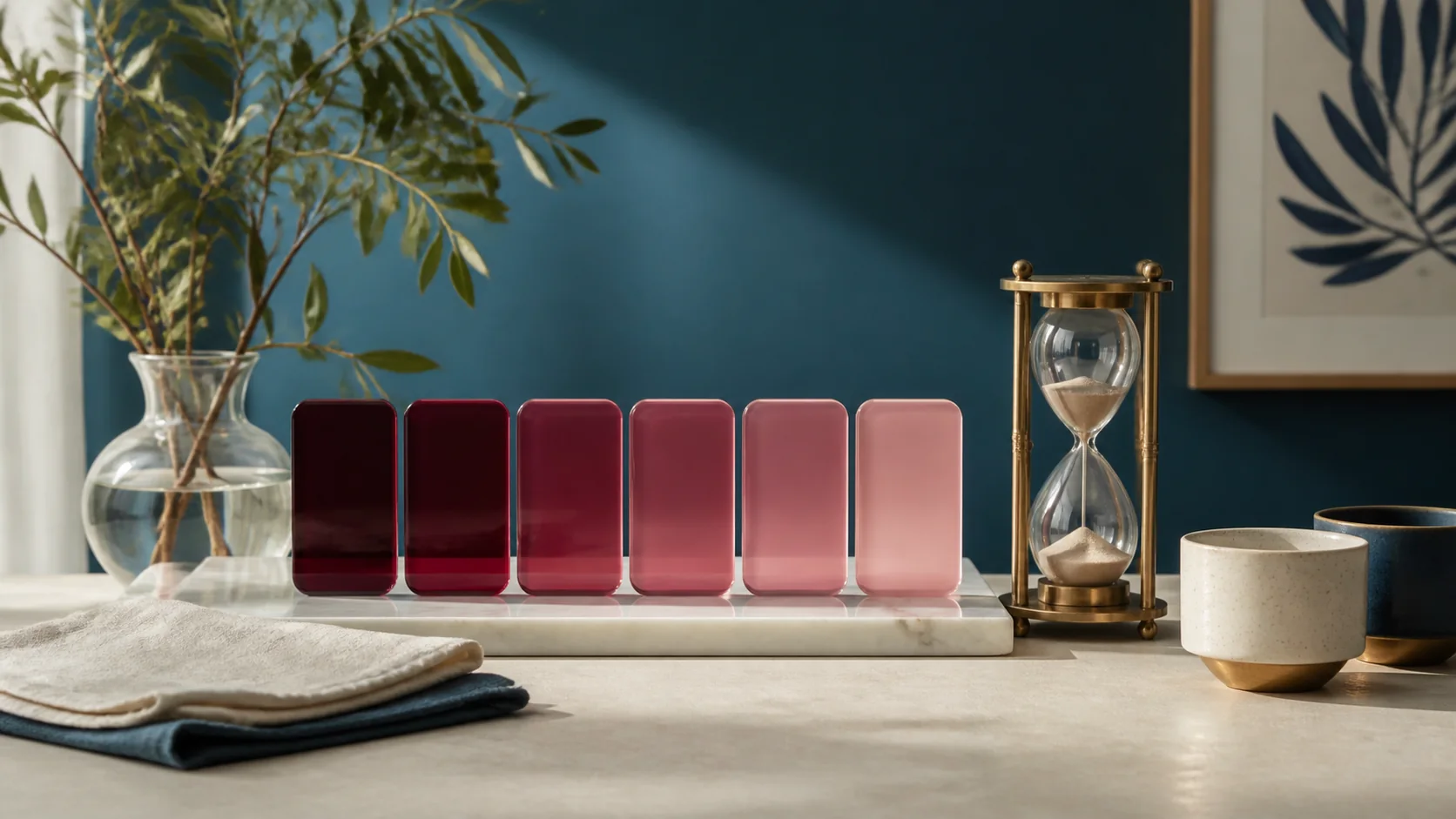
Colour and appearance can vary with pressure, duration, body area, skin response and other individual factors. A small experimental study found that suction pressure influenced mark colour, which is another reason not to treat colour as a disease diagnosis.
Marks do not show which organ is unwell, how many toxins were removed or whether an underlying injury has healed. They should be discussed as a possible effect before consent.
Evidence in plain language
Independent sources can help you separate a realistic wellness conversation from claims that research does not support.
Plan your first visitKey takeaways
Circular discolouration may fade gradually, but the exact appearance and duration vary and should not be guaranteed.
A darker area does not prove poor circulation, toxins, organ disease or the severity of a medical condition.
Increasing pain, heat, swelling, broken skin, discharge, fever or persistent unexpected change matters more than the expected colour alone.
Evidence check
NCCIH confirms that cupping leaves temporary skin marks and lists persistent discolouration among possible side effects. Small studies have measured how pressure and time affect colour, but that does not validate diagnostic colour charts.
A study of colour change under controlled suction cannot establish that a mark reveals disease or predicts clinical benefit. Those are separate claims requiring separate evidence.
Practical decisions
Stay safe
Active rash, broken skin, infection, unexplained bruising or a condition affected by suction needs individual assessment before treatment of that area.
Appointment enquiry
Tell us if visible marks, easy bruising, skin sensitivity or an upcoming event affects your decision. Pressure should never be chosen to chase a darker mark.

Educational resource library
These guides explain choices and evidence; they do not diagnose a condition or confirm personal suitability.
Frequently asked
There is no single duration for everyone. Marks are usually temporary, but appearance and fading vary with technique, skin response and other factors.
No. Mark colour is not a validated toxin measurement or disease diagnosis.
No. A skin response to suction does not establish pain relief, tissue healing or treatment of an underlying condition.