
Early
A circular colour change and local tenderness may be visible soon after the session. Follow the aftercare you received.
Marks and aftercare guide
Colour can change as a temporary mark settles, but it cannot diagnose toxins, circulation problems or the cause of your symptoms.
A simple way to monitor
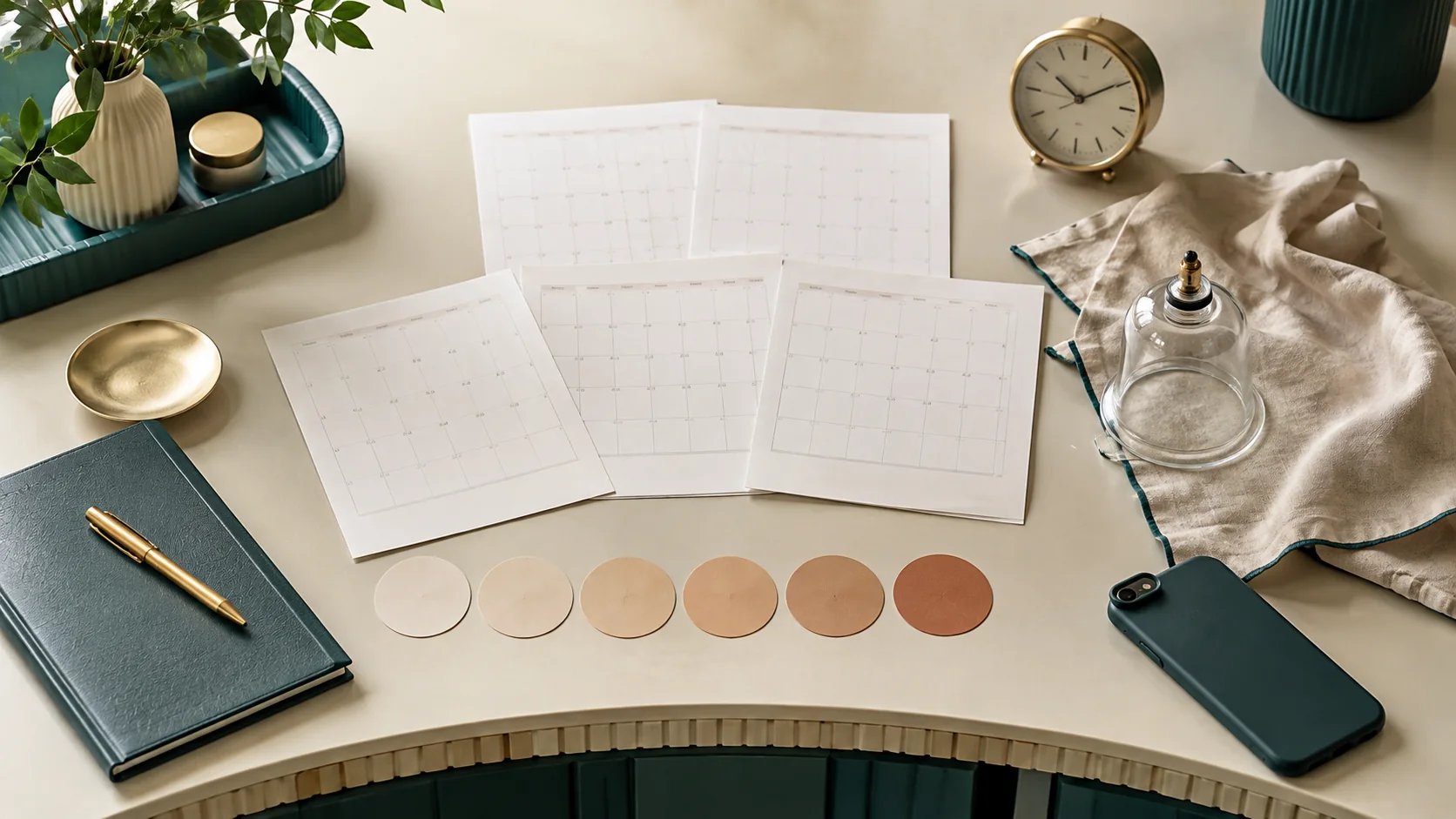
Use the same lighting, distance and angle if you photograph a mark. Note the date, tenderness, warmth, swelling, itching, blistering or broken skin. The useful question is whether the area is improving as expected—not whether one shade has a hidden meaning.
Marks may look red, purple or brown as blood vessels beneath the skin respond to suction. Colour alone cannot diagnose a medical condition.
What may be expected
Suction strength, duration, placement, skin sensitivity, medicines and individual response can change the appearance and recovery time.
A circular colour change and local tenderness may be visible soon after the session. Follow the aftercare you received.
Comfort and colour should move in the right direction. Avoid using a fixed day count as a guarantee for every person.
Contact the clinic or an appropriate medical service if the area becomes more painful, hot, swollen, blistered or otherwise concerning.
When to get advice
Seek appropriate medical advice for spreading redness or warmth, increasing swelling or pain, drainage, fever, a burn, significant blistering, uncontrolled bleeding or a wound that is not healing.
Wet cupping adds broken-skin and wound-care considerations. Follow the specific instructions given for the method performed.
Independent information
NCCIH lists persistent discolouration, scars, burns and infections among possible cupping harms and notes that eczema or psoriasis can worsen. Leeds Teaching Hospitals NHS Trust explains that bruises result from damaged small blood vessels and provides practical monitoring advice.
Appointment enquiry
If a mark is not settling as expected, describe the technique, date and change. Use urgent medical care for severe or rapidly worsening symptoms.