Your goal
A conservative comfort conversation around appropriate soft-tissue areas after injury, skin and medical risks are excluded.
Foot & heel pain guide
Foot and heel pain have many possible causes. Injury, reduced sensation and diabetes can change the urgency and the safest next step.
Start with what you feel
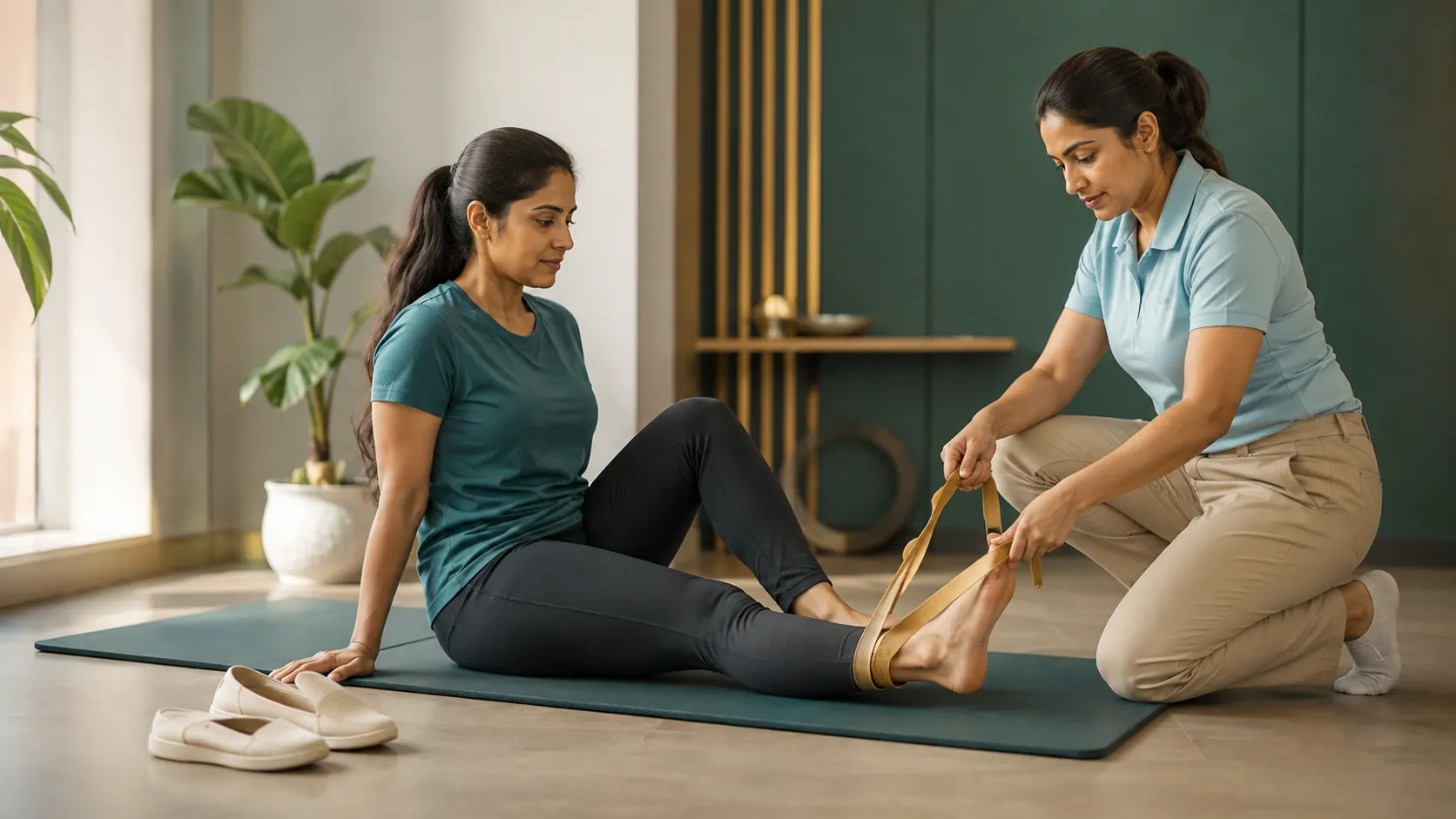
Explain where the pain sits, what activity preceded it and whether you can walk normally.
Heel pain may follow a change in exercise or prolonged standing, while sudden pain, a snap, bruising or inability to bear weight can indicate injury. Tingling or loss of sensation needs appropriate assessment.
Cupping cannot diagnose plantar fasciitis, tendon injury, fracture, nerve problems, arthritis, infection or a diabetes-related foot problem.
What this guide can clarify
Start with your wellness goal while keeping diagnosis and treatment of the underlying cause with an appropriately qualified clinician.
A conservative comfort conversation around appropriate soft-tissue areas after injury, skin and medical risks are excluded.
It cannot repair a tendon, heal a fracture, restore sensation or replace foot, podiatry, diabetes or musculoskeletal care.
Cause-appropriate footwear, load management, exercise or rehabilitation and clinical assessment when indicated remain central.
When medical assessment comes first
Seek urgent or prompt medical advice instead of cupping when:
This list is not exhaustive. If you are worried or symptoms are rapidly changing, seek appropriate medical help.
What research tells us
General cupping research does not establish reliable treatment of the many conditions that cause foot or heel pain. Diagnosis and function should guide care.
NIH NCCIH says most cupping research is low quality and the evidence for pain reduction is not very strong. Results cannot be promised.
Your next step
Describe the location, load change, injury and walking impact.
Check wounds, sensation, diabetes and urgent injury signs.
Follow foot-specific assessment or rehabilitation when needed.
If suitable, keep any complementary option away from unsafe skin and monitor function.
If a session is considered
A practitioner may discuss a gentle non-incision technique around suitable muscular areas, but not directly over injured, infected, broken or insensate skin.
Frequently asked
No. Heel pain has several possible causes and may need a clinical assessment.
New foot pain, reduced sensation, wounds or healing concerns need appropriate medical or foot-care advice before a wellness procedure.
No area is automatic. Skin, sensation, anatomy, injury and technique must be assessed first.
Explore related goals
Appointment enquiry
Tell us where it hurts, whether you can walk normally and whether there is injury, swelling, numbness, diabetes or skin change.