Ask before exposing an area
Know which area would be accessed, why it is relevant and what alternative is available if you are uncomfortable.
Women’s preparation guide
A few clear questions before the appointment can protect comfort, dignity and choice without sharing more personal information than necessary.
Before you book
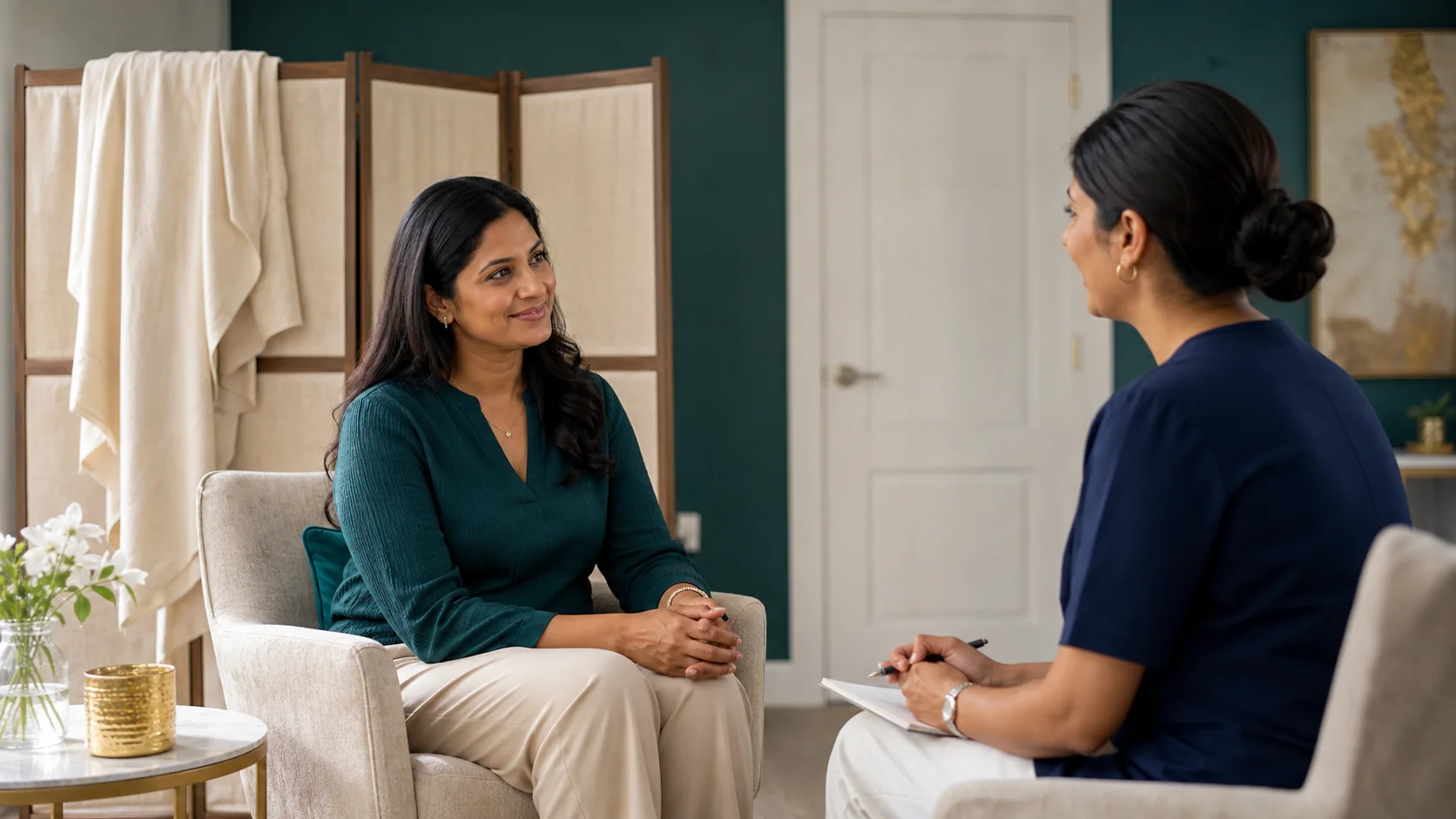
State whether you prefer a female practitioner and ask the clinic to confirm who is available for the requested method. Also ask whether the room is private, which body area is proposed, how clothing and draping will work and whether a companion can be present if appropriate.
A practitioner preference is a request until the clinic confirms it. You should not need to explain or defend why the preference matters to you.
Keep the first message simple
You can name the service, broad goal, practitioner preference and suitable times. Detailed health information can wait for the clinic’s appropriate screening process.
Know which area would be accessed, why it is relevant and what alternative is available if you are uncomfortable.
You may ask questions, decline an area or method, request a pause or withdraw consent.
Ask before any photograph is taken. A service visit does not imply consent for marketing or social-media use.
What to bring up in screening
Pregnancy, heavy bleeding, anaemia, blood-thinning medicine, allergies, active skin changes, recent procedures and a new or severe symptom may affect whether an appointment should proceed.
For wet cupping, ask separately about bleeding, sterile single-use invasive items, wound care and who to contact after the visit.
Independent guidance
India’s Charter of Patient Rights describes informed consent, privacy and confidentiality. NHS England’s chaperoning guidance is a useful public example of protecting dignity and supporting questions. NCCIH describes cupping evidence limits and known risks.
Appointment enquiry
State your practitioner preference, broad service question and preferred timing, then wait for confirmation before travelling.