Cupping
An umbrella term for techniques that create suction on the skin, including dry, moving, fire-assisted and wet approaches.
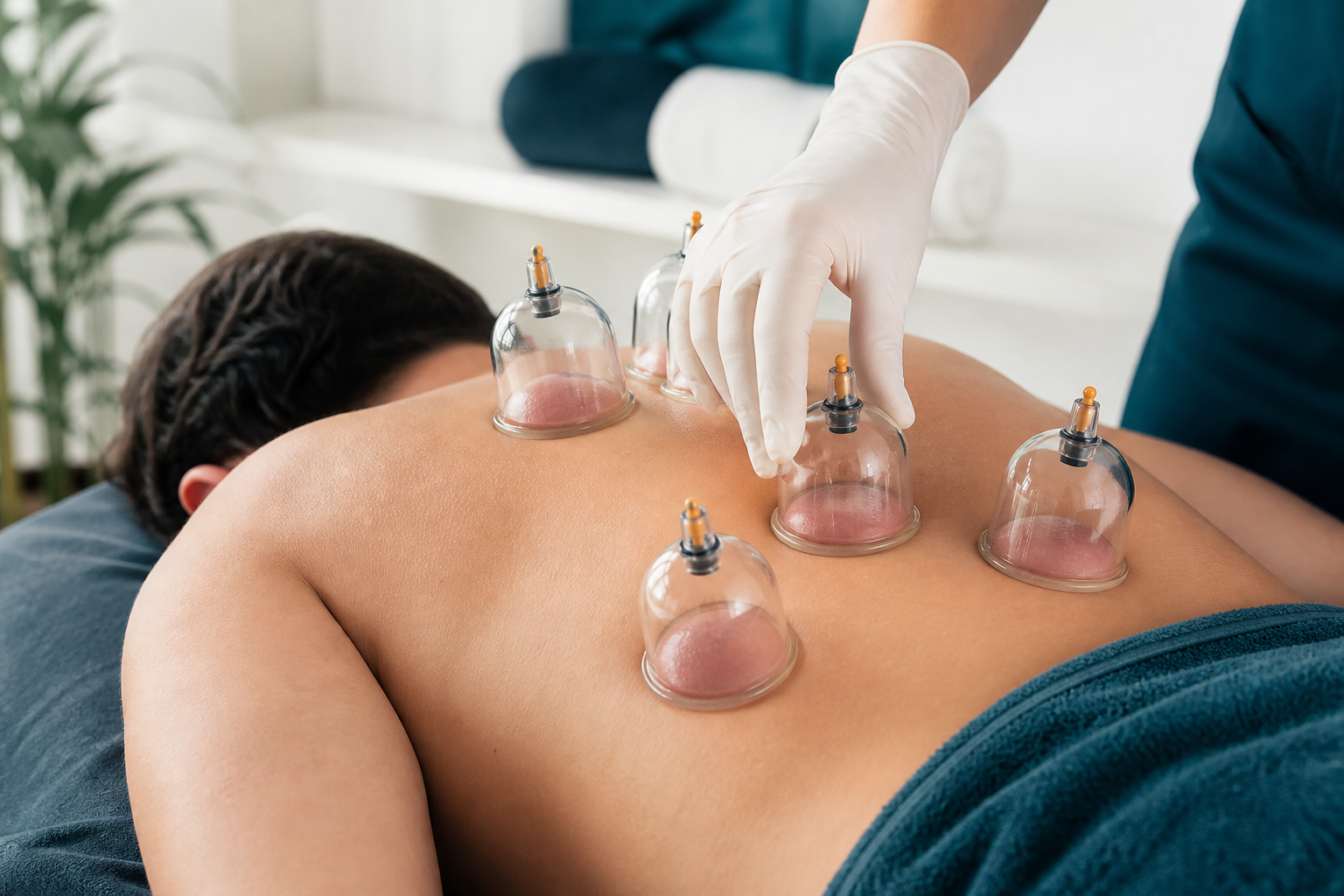
Technique comparison guide
Cupping is a broad family of suction techniques; Hijama commonly refers to wet cupping, where the skin is deliberately pierced.
Clear answer first
NIH NCCIH distinguishes dry cupping, which does not pierce skin, from wet cupping, where skin is pierced and blood enters the cup.
In common clinic language, Hijama usually means wet cupping. Because it involves broken skin and blood, it needs additional screening, sterile single-use invasive items, sharps controls and wound aftercare.
The name alone does not confirm the exact procedure, practitioner training, hygiene standard or suitability. Ask for the steps in plain language before consenting.
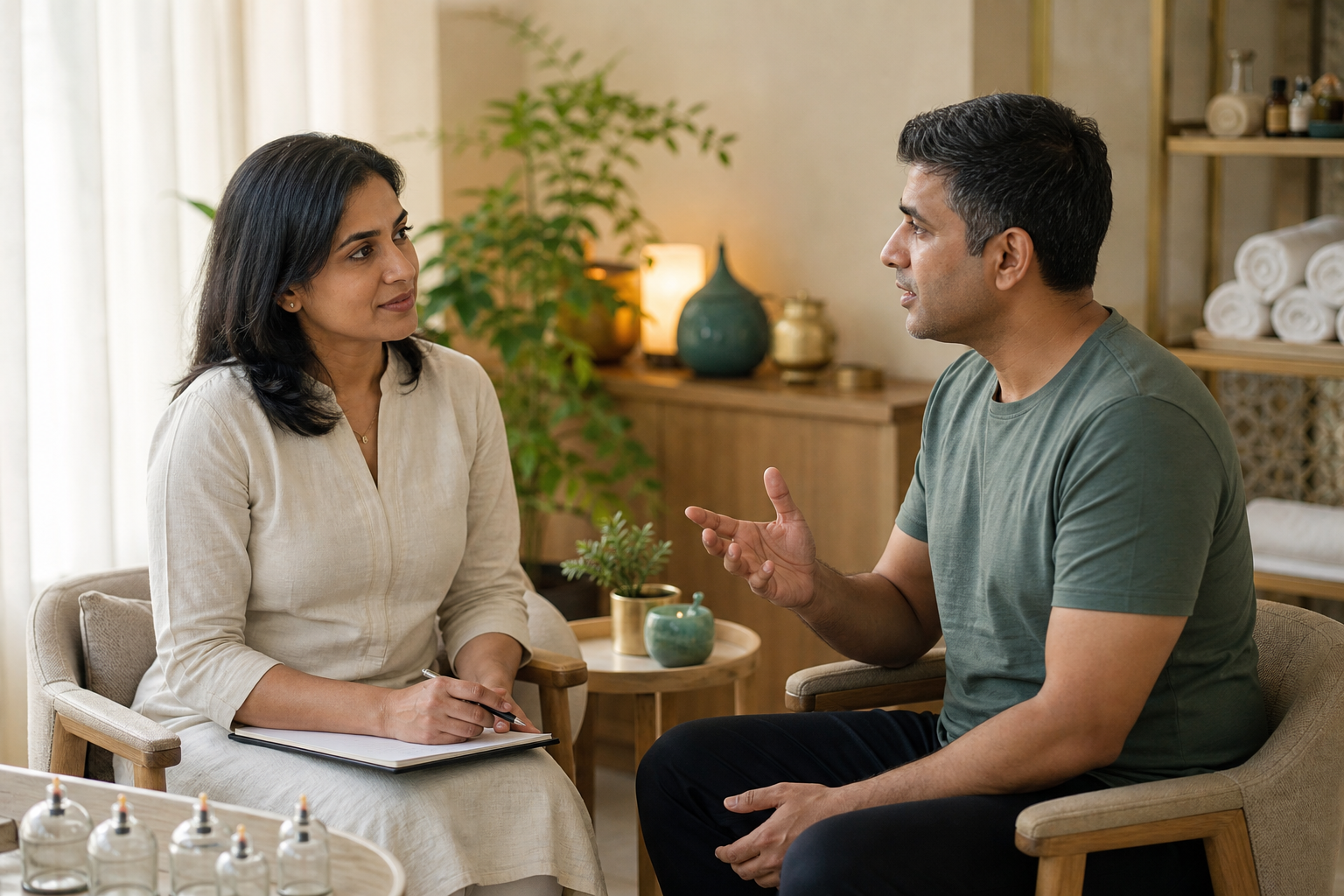
A thoughtful visit
Take time to understand the proposed method, likely temporary effects and aftercare before you choose whether to continue.
Plan your first visitKey takeaways
An umbrella term for techniques that create suction on the skin, including dry, moving, fire-assisted and wet approaches.
Commonly used for wet cupping: suction combined with superficial skin incisions and blood exposure.
The right discussion covers goal, evidence, skin and health screening, infection control, consent and technique-specific aftercare.
Evidence check
NCCIH’s definitions make the dry/wet distinction clear. CDC Standard Precautions explain why procedures involving expected blood exposure require hand hygiene, risk-based protective equipment and proper handling of equipment and the environment.
These public-health principles do not verify an individual clinic process. The practitioner should explain how they apply them to the exact procedure.
Practical decisions
Stay safe
Wet cupping should never proceed as a casual add-on after only a general cupping enquiry.
Frequently asked
Hijama is commonly used to mean wet cupping, which is one invasive technique within the broader family of cupping practices.
This website does not make that claim. Wet cupping adds bleeding, infection-control and wound-care risks, and more invasive does not mean more effective.
No. A general cupping enquiry does not authorise or assume skin incisions. The exact technique requires separate explanation, screening and consent.
Educational resource library
These guides explain choices and evidence; they do not diagnose a condition or confirm personal suitability.
Appointment enquiry
Tell us whether you are asking about general cupping or specifically Hijama. The method and its safety process should be clear before confirmation.