Share
Assess skin, sensation, environment and reasons to choose another method.
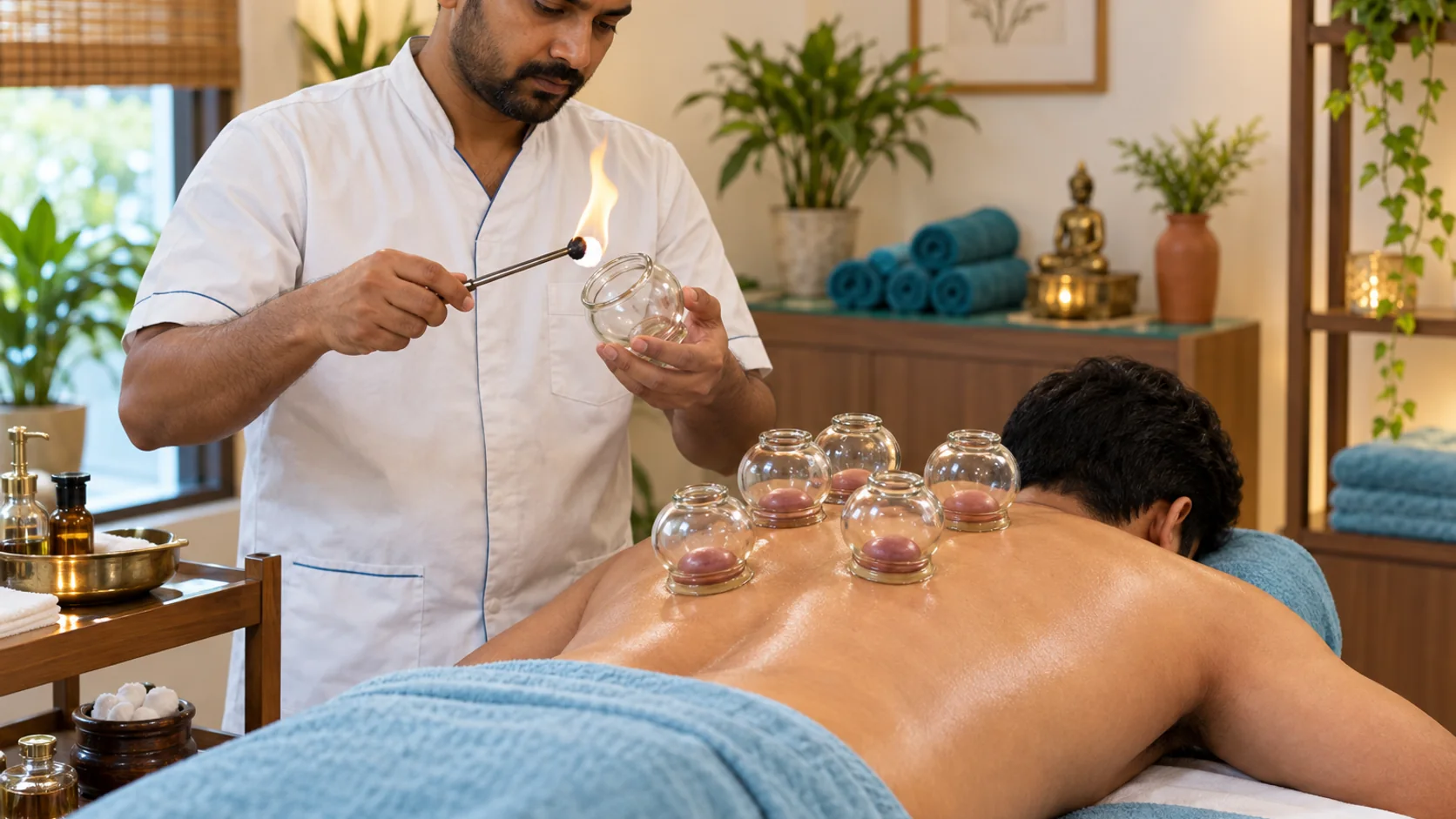
Fire cupping
Heat is used briefly to create negative pressure inside a cup; the flame should never be presented as a benefit by itself.
What you should know
In fire cupping, a flame briefly changes the air pressure inside a cup before it is placed on the skin.
The flame is not meant to touch the patient. Safe execution depends on practitioner training, appropriate materials, a controlled environment and a clear response plan for heat or fire incidents.
This service is offered by Cupping Relief Wellness as an appointment enquiry. Personal suitability, the exact setup and the appointment time are confirmed after screening; no service page guarantees a health outcome.
A Personalised Consultation Before Your Visit
Before you decide
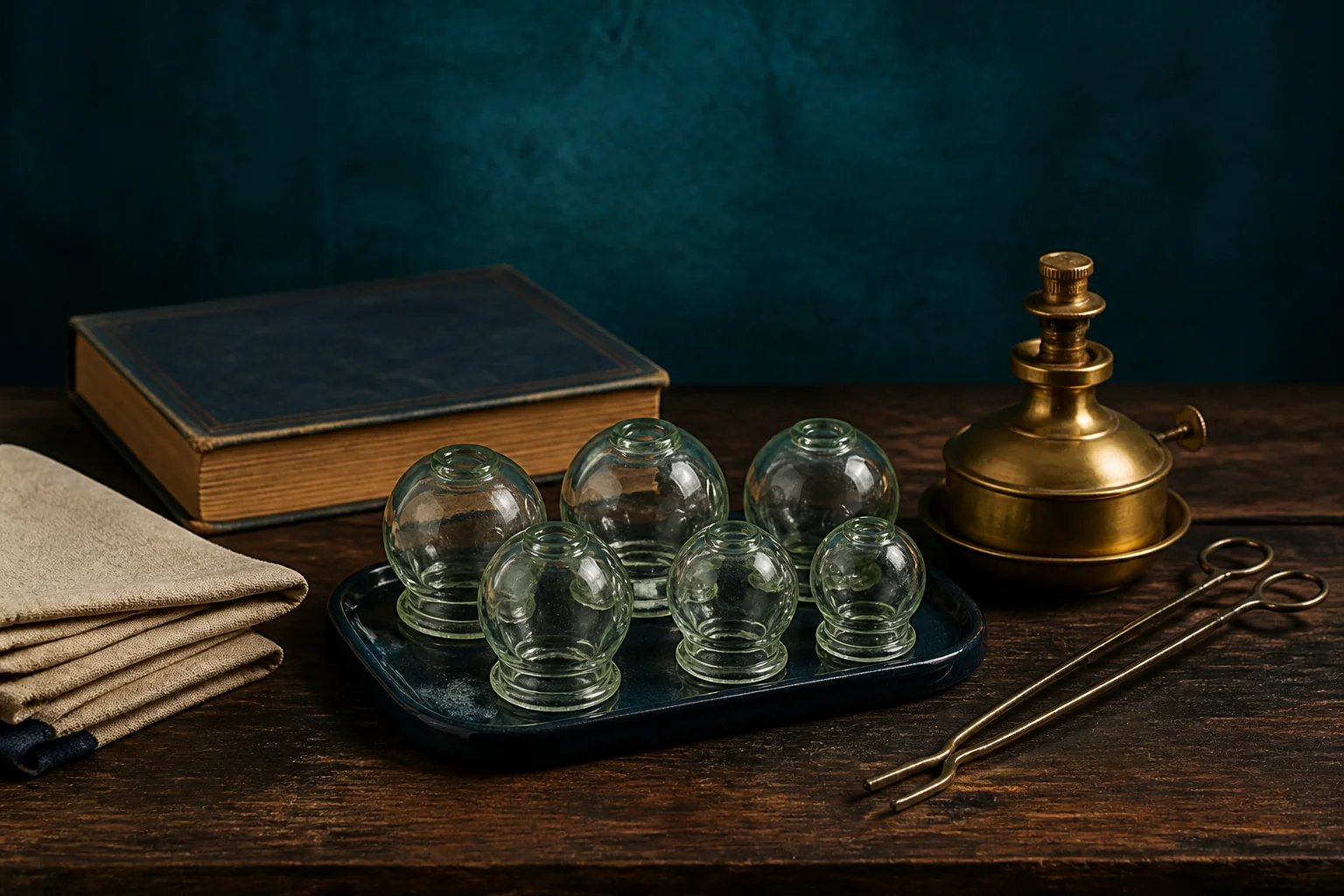
Ask about the method, likely temporary effects and aftercare, then choose only when the plan feels clear.
Plan your first visitYour visit
The exact plan is chosen only after a personal conversation.
Assess skin, sensation, environment and reasons to choose another method.
Explain the flame step, alternatives, burn risk and stop procedure before consent.
Check the skin and give guidance for marks, tenderness or any heat-related concern.
How it may feel
The patient may feel suction and some warmth, but burning, sharp heat or fear should be reported immediately and the procedure stopped.
Preparation
After the session
Evidence in plain language
Fire is one way of creating negative pressure; it does not establish a stronger health benefit. Cupping evidence remains limited, while burns are a recognised possible harm.
Cupping is complementary care. It must not delay diagnosis, emergency help or treatment recommended by a qualified medical professional.
Appointment enquiry
Ask whether fire cupping is currently available and how flame, equipment and burn risks are controlled. A non-flame option may be more suitable.

Compare your options
Frequently asked
It should not. The flame is used briefly with the cup to create negative pressure before placement.
Different suction methods do not prove a better outcome. The safer suitable method should be chosen through screening and consent.
Tell the practitioner immediately and stop the procedure. Blistering or a burn needs appropriate medical assessment.