Share
Separate routine muscle-comfort enquiries from symptoms needing injury assessment.
Sports recovery cupping
A recovery conversation should begin with the injury context, training load and goals—not a promise of faster performance.
What you should know
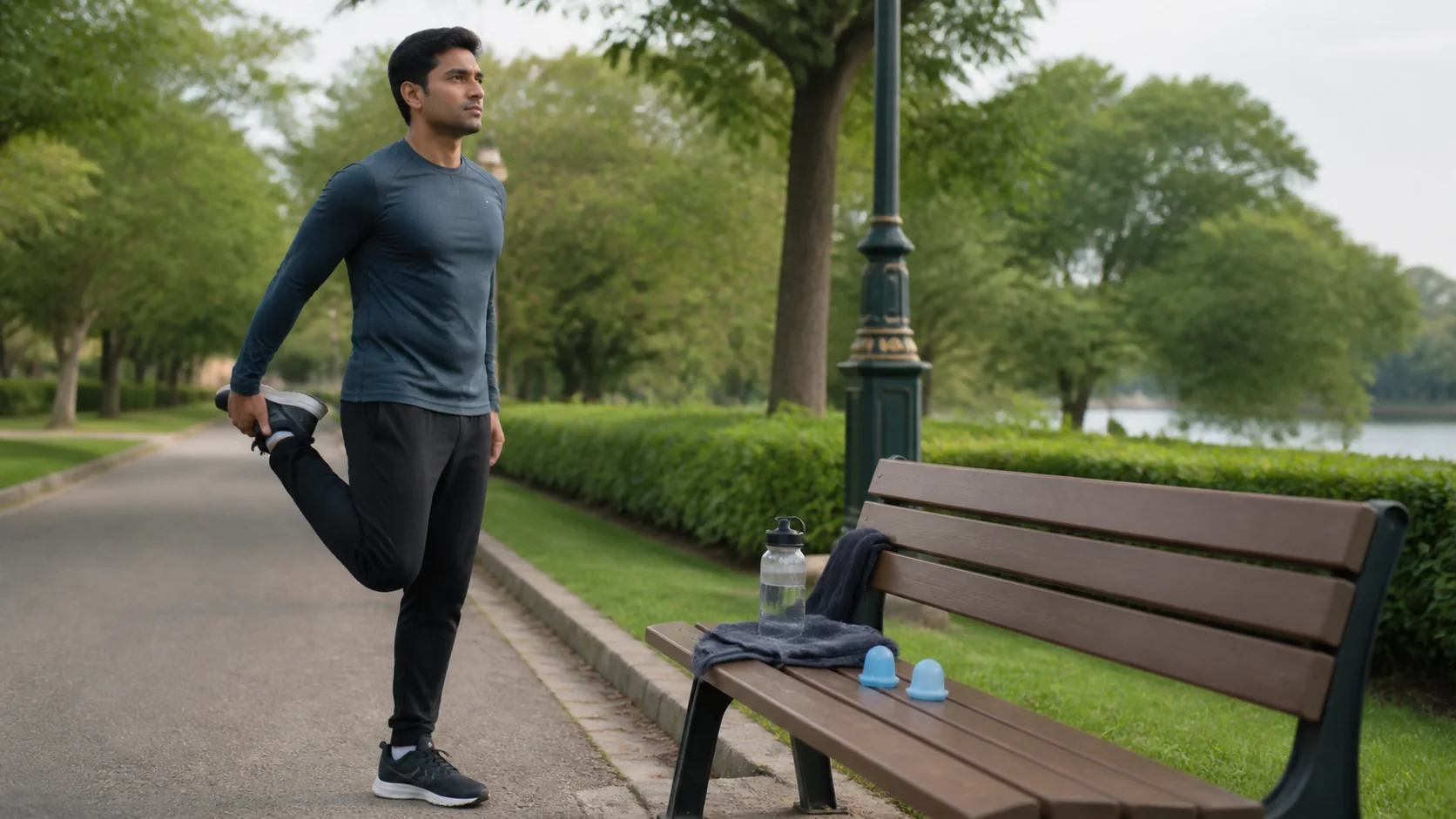
Some active people enquire about cupping for muscle comfort, relaxation or recovery routines.
The practitioner should understand what happened, when symptoms began, what movements are limited and whether you are already under medical or physiotherapy care.
This service is offered by Cupping Relief Wellness as an appointment enquiry. Personal suitability, the exact setup and the appointment time are confirmed after screening; no service page guarantees a health outcome.
A Personalised Consultation Before Your Visit
Your wider recovery
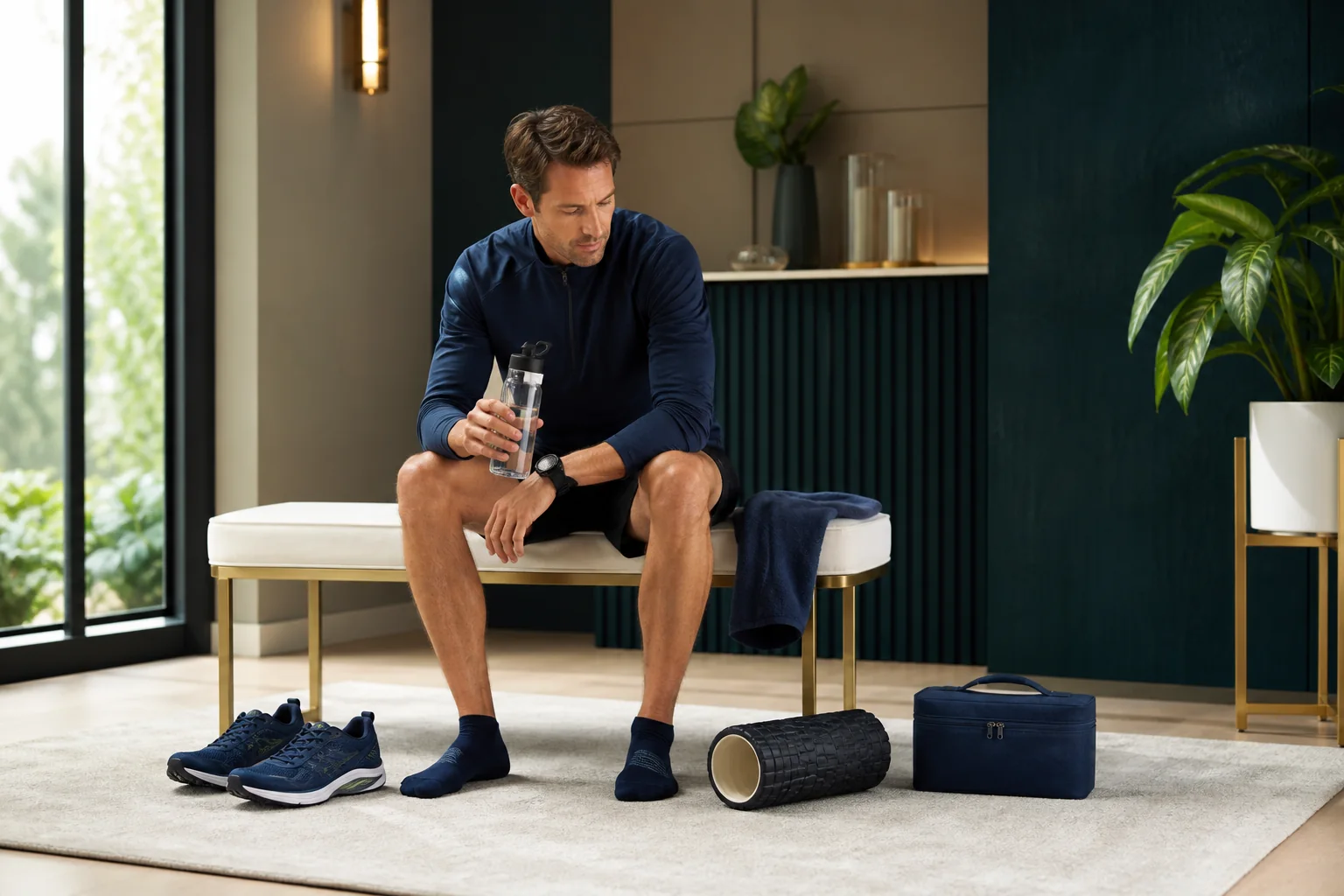
Keep appropriate medical or rehabilitation advice central, and use a cupping conversation only as one part of a wider recovery plan.
Plan your first visitYour visit
The exact plan is chosen only after a personal conversation.
Separate routine muscle-comfort enquiries from symptoms needing injury assessment.
Choose an optional method without promising faster healing or return to sport.
Explain marks, tenderness and how to avoid masking symptoms that need review.
How it may feel
Sleep, progressive loading, nutrition, rehabilitation and diagnosis where needed remain central. Cupping may feel relaxing, but subjective comfort does not prove tissue healing.
Preparation
After the session
Evidence in plain language
Cupping research for pain and recovery outcomes is limited and study methods vary. The page therefore avoids claims of accelerated healing, injury prevention or performance enhancement.
Cupping is complementary care. It must not delay diagnosis, emergency help or treatment recommended by a qualified medical professional.
Appointment enquiry
Tell us the activity, symptom timeline and whether you are already receiving medical or rehabilitation care.

Compare your options
Frequently asked
No. Return-to-sport decisions require appropriate injury assessment and functional criteria.
This page does not make that claim. A suspected tear needs appropriate assessment and rehabilitation.
Discuss timing, temporary marks, tenderness and the risk of masking symptoms with the practitioner and your treating sports professional.