Share
Identify factors that increase bleeding, infection or healing risk.
Wet cupping
A clear explanation of what changes when suction is combined with superficial skin incisions.

What you should know
Wet cupping intentionally breaks the skin, unlike dry cupping.
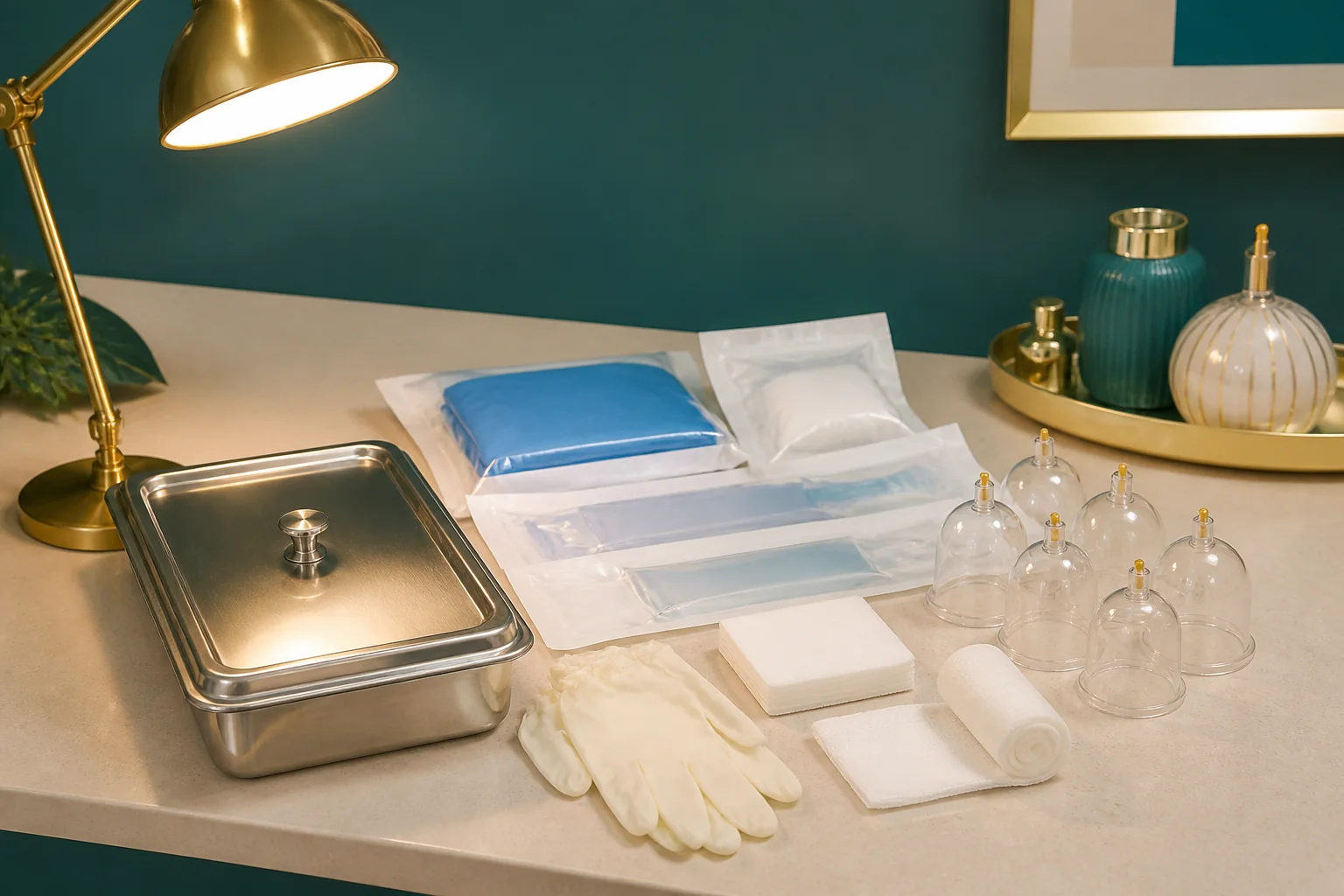
A responsible appointment separates reusable cup handling from sterile single-use invasive items and accounts for blood exposure, sharps safety, cleaning, disposal and wound care.
This service is offered by Cupping Relief Wellness as an appointment enquiry. Personal suitability, the exact setup and the appointment time are confirmed after screening; no service page guarantees a health outcome.
A Personalised Consultation Before Your Visit
Before you decide
Ask about the method, likely temporary effects and aftercare, then choose only when the plan feels clear.
Plan your first visitYour visit
The exact plan is chosen only after a personal conversation.
Identify factors that increase bleeding, infection or healing risk.
Review the full process, material risks, alternatives and the right to stop.
Protect the treated area and explain bleeding, infection and healing warning signs.
How it may feel
Wet cupping can involve discomfort, bleeding, temporary marks and small wounds. The process should be unhurried and never concealed from you.
Preparation
After the session
Evidence in plain language
Wet cupping is included within the wider evidence base for cupping, where research quality is often low. Safety claims should be based on real infection-control practice, not marketing language.
Cupping is complementary care. It must not delay diagnosis, emergency help or treatment recommended by a qualified medical professional.
Appointment enquiry
Ask about the screening and hygiene process before choosing wet cupping. Never change prescribed medicine for an appointment.

Compare your options
Frequently asked
Wet cupping intentionally breaks the skin; dry cupping does not. This creates additional bleeding, infection-control and aftercare requirements.
No. Invasive items must be sterile and single-use. Reusable items require appropriate cleaning, disinfection or sterilization based on their use and contamination risk.
Persistent bleeding, spreading redness, pus, fever, increasing pain or another worrying change needs appropriate medical attention.