Share
Assess bleeding, infection, healing and fainting risks before the procedure is considered.
Hijama therapy
Hijama commonly refers to wet cupping—an invasive technique that needs additional blood-exposure and wound-care controls.

What you should know
Hijama combines suction with superficial skin incisions.
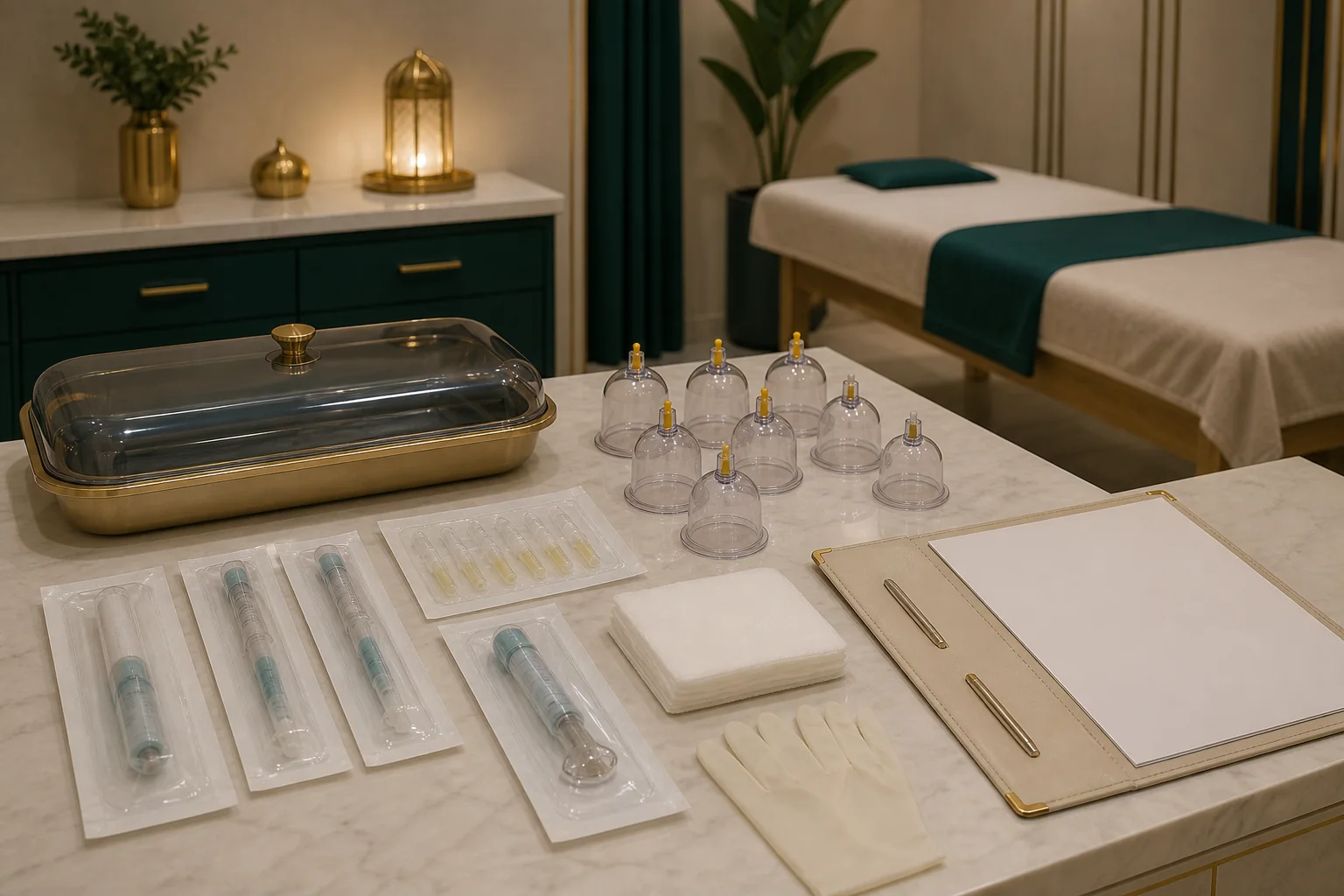
Because the skin is intentionally broken and blood is present, the practitioner must use appropriate hand hygiene, protective equipment, sterile single-use invasive items, environmental controls and safe sharps disposal.
This service is offered by Cupping Relief Wellness as an appointment enquiry. Personal suitability, the exact setup and the appointment time are confirmed after screening; no service page guarantees a health outcome.
A Personalised Consultation Before Your Visit
Before you decide
Ask about the method, likely temporary effects and aftercare, then choose only when the plan feels clear.
Plan your first visitYour visit
The exact plan is chosen only after a personal conversation.
Assess bleeding, infection, healing and fainting risks before the procedure is considered.
Explain the invasive steps, sterile single-use items, possible effects and alternatives before consent.
Provide wound-care instructions and clear signs that need prompt medical attention.
How it may feel
You may feel suction, brief skin discomfort and tenderness. Temporary marks are expected; bleeding and skin healing require individual attention.
Preparation
After the session
Evidence in plain language
Research does not support broad claims that Hijama removes toxins or treats every condition. The available cupping evidence is generally limited, and invasive risks require proportionate controls.
Cupping is complementary care. It must not delay diagnosis, emergency help or treatment recommended by a qualified medical professional.
Appointment enquiry
Tell us this is a Hijama enquiry and share only the minimum initial information. Detailed suitability screening should happen privately.

Compare your options
Frequently asked
The terms are commonly used for the same broad technique: suction combined with superficial skin incisions.
Tell the practitioner and consult the prescribing clinician. Do not stop prescribed medicine yourself.
Appropriate hand hygiene, protective equipment, sterile single-use invasive items, surface controls, sharps disposal and wound aftercare should be explained.