Share
Share only the health information needed for private suitability screening.
Sunnah Hijama enquiry
The phrase can carry personal or religious meaning, but the exact physical procedure and safety controls still need to be explained before consent.
What you should know
People may use Sunnah Hijama to describe wet cupping connected with a personal or religious practice.
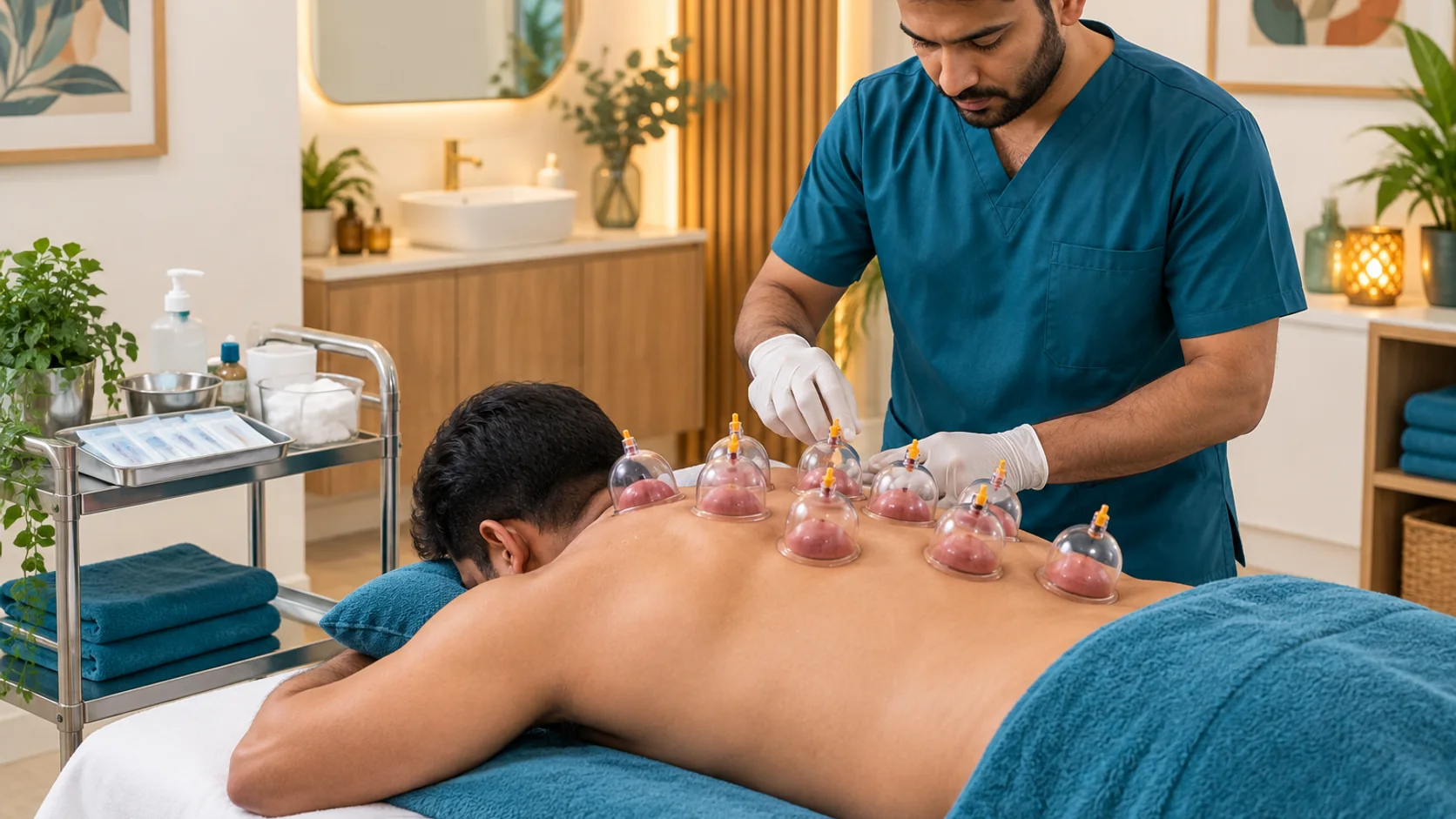
The clinical steps can vary. Confirm whether skin will be broken, who will provide the method, what training applies and how skin preparation, blood exposure, sharps disposal and wound aftercare are handled.
This service is offered by Cupping Relief Wellness as an appointment enquiry. Personal suitability, the exact setup and the appointment time are confirmed after screening; no service page guarantees a health outcome.
A Personalised Consultation Before Your Visit
Your visit
The exact plan is chosen only after a personal conversation.
Share only the health information needed for private suitability screening.
Review the invasive steps, materials, risks, alternatives and consent process in plain language.
Leave with wound-care instructions and clear advice about bleeding, infection or other warning signs.
How it may feel
If the proposed method is wet, you may experience suction, brief skin discomfort, bleeding, temporary marks and healing time. You should never be rushed or pressured.
Preparation
After the session
Evidence in plain language
No religious or traditional label proves that a procedure cures a condition or removes toxins. Cupping evidence is limited, and invasive risks require proportionate infection-control and aftercare safeguards.
Cupping is complementary care. It must not delay diagnosis, emergency help or treatment recommended by a qualified medical professional.
Appointment enquiry
If you are enquiring about Sunnah Hijama, ask for the exact procedure, single-use and wound-care safeguards, practitioner confirmation and current availability before travelling.

Compare your options
Frequently asked
The terms may be used similarly, but the exact procedure must be confirmed before booking.
No guaranteed cure or disease-treatment claim should be made. It does not replace diagnosis or prescribed care.
No. Do not stop or change prescribed medicine based on a wellness appointment. Ask an appropriate clinician.
Suitability depends on screening, health history, practitioner confirmation and appointment availability.